Rules verified and last updated 8 July 2026
Eligibility Guide 2026
Who can apply for the CM Punjab E-Bike Scheme?
The scheme is generous but strict: miss a single requirement and your application is rejected during Bank of Punjab verification, with no appeal. Check every rule for your category below before you fill in the form.
Instant Check
Find out in 2 minutes whether you qualify
Answer six quick questions and get a category-specific verdict — plus the exact document checklist to prepare before the portal opens. Nothing is submitted anywhere; it runs entirely on your device.
Most rejections are avoidable: a missing learner's permit, a forgotten vehicle registration, a guarantor with an old defaulted loan. The checker walks through the same conditions the Bank of Punjab verifies, in the same order, so you know your weak spots before you apply — not after a rejection SMS.
If the verdict says "almost eligible", the fixes it lists are usually a single afternoon of work. Do them first, then follow the application walkthrough.
2-Minute Eligibility Checker
صرف 6 سوالات میں اپنی اہلیت جانیں
Which category describes you?
آپ کا تعلق کس کیٹیگری سے ہے؟
اہلیت کی شرائط — مختصر اردو خلاصہ
طلبہ کے لیے عمر 18 سے 35 سال، ایچ ای سی سے منظور شدہ ادارے میں باقاعدہ داخلہ، پنجاب ڈومیسائل اور موٹر سائیکل لائسنس یا لرنر پرمٹ لازمی ہے۔ اساتذہ کے لیے زیادہ سے زیادہ عمر 55 سال اور پی ٹی ایف رجسٹریشن ضروری ہے، جبکہ سرکاری ملازمین کے لیے گریڈ ایک سے سولہ اور محکمانہ این او سی درکار ہے۔
یاد رکھیں: ایک خاندان کو صرف ایک بائیک ملتی ہے، اپنی گاڑی رکھنے والے درخواست نہیں دے سکتے، اور خواتین کے لیے بھی لائسنس کی شرط ختم نہیں کی گئی۔ کوئی بھی شرط پوری نہ ہونے پر درخواست بینک کی تصدیق کے مرحلے پر مسترد ہو جاتی ہے۔
At a Glance
Quick comparison by category
| Category | Age | Core requirement | Monthly cost |
|---|---|---|---|
| Students | 18–35 | Full-time enrollment at an HEC-recognized institution — apply by 4 Oct 2026 | PKR 3,000 / month (Phase 2, zero down payment) |
| Teachers | Up to 55 | SED employment + PTF registration | PKR 3,600–4,200 / month |
| Govt Employees | 18–60 | BPS 1–16 + departmental NOC | Salary deduction |
Already know you qualify? Jump to the application walkthrough or the installment plans.
Category 1
Student eligibility
Age & enrollment
- 18–35 years old on the date you submit the application.
- Currently enrolled as a regular, on-campus studentin a bachelor's, master's or equivalent degree program.
- Institution must be HEC-recognized — public or private both count, and there is no GPA requirement.
- "Regular" is enforced: your institution confirms your on-campus status directly with the Bank of Punjab. Evening, weekend, online and external programs do not qualify.
Domicile & location
- A valid Punjab domicile certificate is mandatory for petrol bikes, with district-wise quotas based on population.
- Out-of-province exception (e-bikes only): students from Sindh, KP, Balochistan, AJK, GB or ICT can apply if their campus is physically located in Lahore, Faisalabad, Multan, Rawalpindi or Bahawalpur.
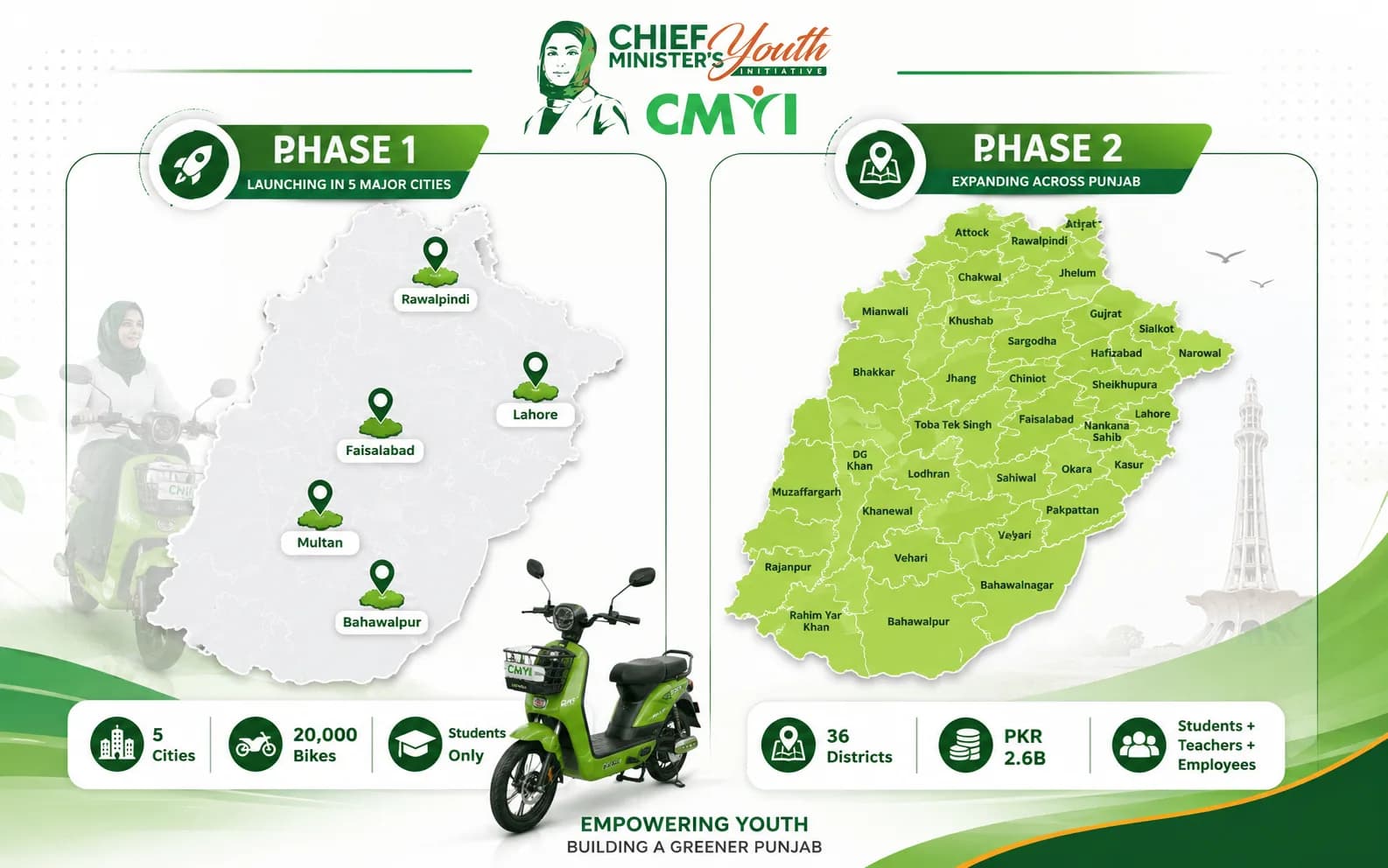
- Phase 2 covers all 36 districts of Punjab — you no longer need to study in the original five cities.
Licence & vehicle rules
- A motorcycle driving licence or learner's permit is required — for male and female applicants alike. A car licence does not count.
- You must not own any registered vehicle. Ownership records are checked during verification.
- No permit yet? Get a learner's permit from your local licensing authority before applying — it typically takes days, not weeks.
One bike per family
Multiple siblings can apply independently, and more than one can even win the ballot. But the Bank of Punjab flags applicants who share a family unit in CNIC records, and only one bike is issued per family — usually to whichever sibling completes verification first. The rule applies even if siblings study in different cities.
Category 2
Teacher eligibility — PTF scheme
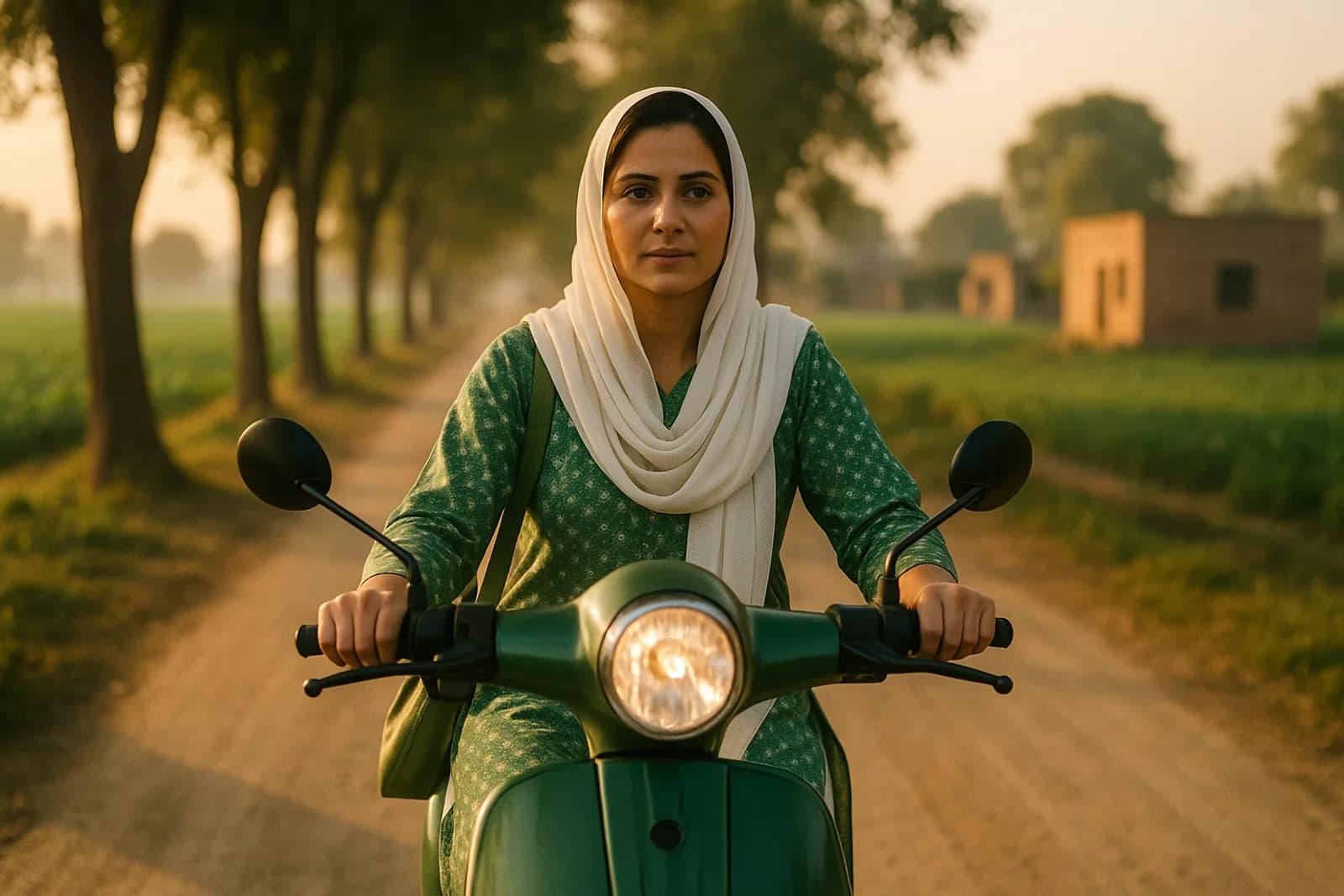
The Punjab Teachers Foundation E-Bike Scheme, launched on 22 April 2026, is a separate program with its own portal (ptf.punjab.gov.pk), its own financing structure and no city restriction — teachers in every tehsil of Punjab can apply.
Who qualifies
- Government school teachers under the School Education Department (SED)
- Permanent and contract teachers both eligible
- PST, Elementary, EST and General cadres
- Maximum age 55; must be actively serving
What you need
- Active PTF registration (complete your profile first)
- Valid CNIC and motorcycle licence or learner's permit
- Latest salary slip and a service certificate with your PESS number
- No vehicle received under any previous government scheme
Priority groups
The selection algorithm gives extra weight to female teachers and teachers posted in rural or remote areas — the groups facing the hardest commutes and the least public transport. Priority improves your odds but does not guarantee selection.
Phase 1 covers 5,000 teachers; later phases target 10,000+ more.
Category 3
Government employee eligibility — BPS 1–16
The newest category. On 23 April 2026 the Prime Minister approved interest-free electric bikes for federal employees up to BPS-16, and the CM Punjab scheme runs a parallel provincial track for Punjab government staff.
Eligibility covers active employees in BPS grades 1 through 16 — clerks, assistants, operators, technicians, junior engineers and similar roles. BPS-17 and above are excluded, as are retired employees and pensioners. Installments are deducted directly from salary, so payments can never be missed while you remain employed, and the government pays the full markup.
Status note: the employee-category portal and registration dates had not been activated as of mid-2026. Bookmark this page or watch the official portals for the announcement.
Required documents
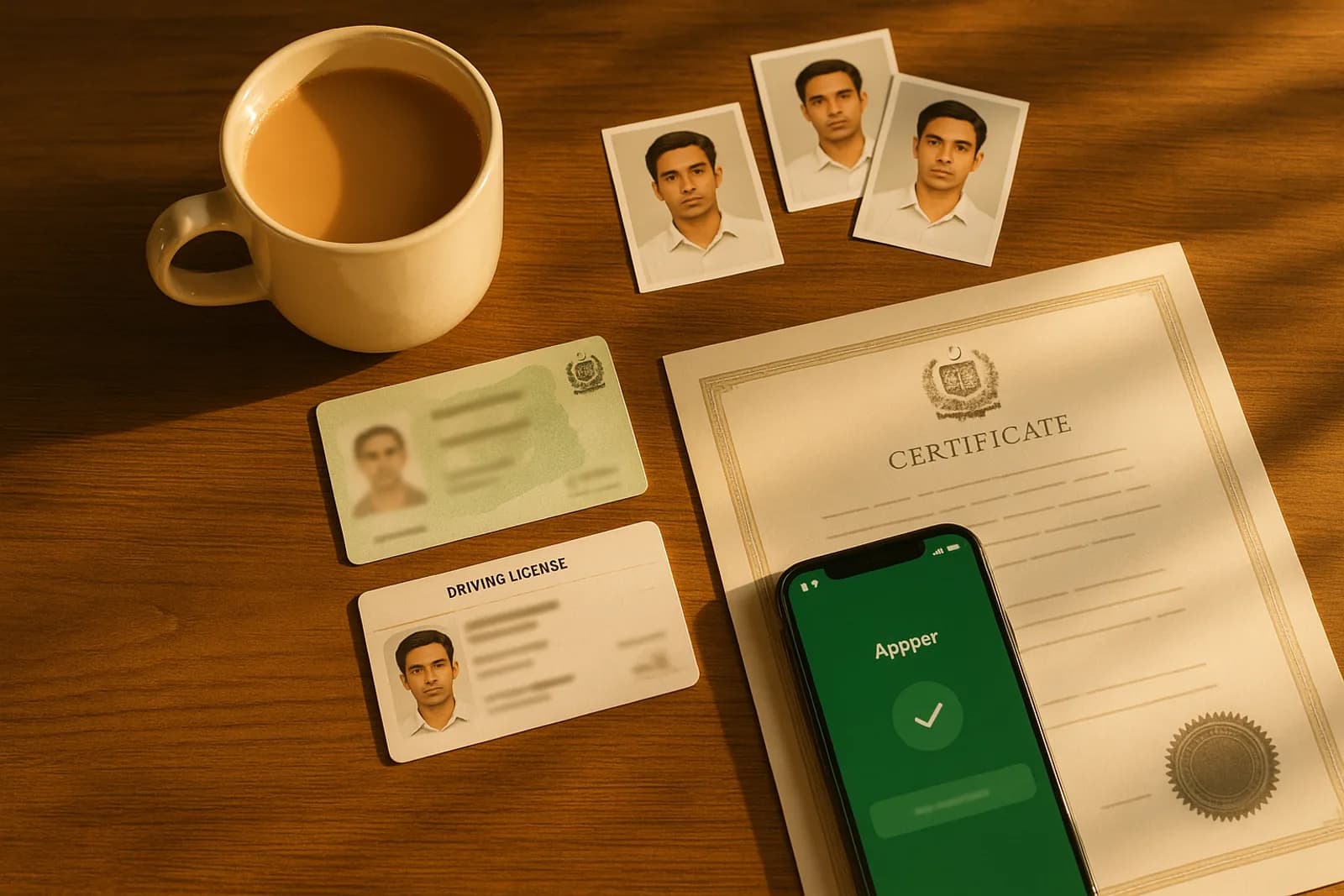
- Service certificate — issued by your department, confirming name, CNIC, grade, appointment date and active status
- Departmental NOC — authorizing participation and the salary deduction arrangement
- Valid CNIC and Punjab domicile certificate
- Motorcycle driving licence or learner's permit
- A guarantor (colleague or family member) with stable income and a clean ECIB credit report
Save Your Time
Who is NOT eligible
If any of these applies to you, don't submit — the application will be rejected during verification and there is no appeal process for eligibility rejections.
Under 18
The minimum age is 18 for every category — there are no waivers, even with valid enrollment.
Over the age limit
Students must be 35 or younger and teachers 55 or younger on the application date.
Distance-learning students
VU, AIOU, online, evening and correspondence programs do not meet the 'regular on-campus enrollment' rule.
Private school teachers
The PTF scheme covers only government teachers under the School Education Department.
Retired employees & pensioners
Only actively serving staff qualify in the current phase.
Existing vehicle owners
Owning any registered car or motorcycle in your own name disqualifies you automatically.
No Punjab domicile
Mandatory — except out-of-province students studying on campus in one of the five Phase 1 cities (e-bikes only).
No motorcycle licence or permit
A car licence does not count. Both male and female applicants need a motorcycle licence or learner's permit.
Previous scheme beneficiaries
If you received a vehicle under any earlier government program, you cannot apply again.
Guarantor with bad credit
A defaulted loan on your guarantor's ECIB report fails the Bank of Punjab check.
BPS-17 and above
The employee category is capped at grade 16.
Non-HEC institutions
Unaccredited colleges and unrecognized programs do not qualify.
Unsure about your institution's HEC status or your domicile? Call the Bank of Punjab helpline at 042-111-333-267 before applying.
The Complete Rulebook
Every eligibility rule, explained in depth — English & اردو
Ten rules decide every application. Below, each one gets the full treatment: why the rule exists, how it is actually verified, the traps that catch genuine applicants, and what to do about them — in English and Urdu.
Rule 1 — Age
The 18–35 window: why it exists and how it's checked
Every category of the scheme opens at 18, and the student track closes at 35. Neither number bends. The floor exists because Pakistani traffic law requires a licence to ride, and licensing begins at 18 — distributing bikes to minors would put the government's name on unlawful riders. The ceiling reflects the program's purpose: it subsidizes people at the start of their earning life, when a vehicle changes trajectories rather than merely adding convenience.
Verification is automatic and unforgiving. Your date of birth comes straight from your CNIC through NADRA records, so there is no form field to argue with. If you are 17 years and 11 months on submission day, the system counts you as 17. If you turn 36 before you submit, the student track has closed for you — though the teacher category runs to 55, and the employee track covers serving staff regardless of the student limit.
The practical advice cuts both ways. Seventeen-year-olds should spend the waiting months productively: get the learner's permit, prepare the document file, and line up a co-borrower so the next phase finds you ready on day one. Applicants near the upper limit should apply in the earliest phase available rather than deferring — each phase you skip is a birthday closer to the cutoff, and there is no age relaxation in the rules as published.
عمر کی حد ہر کیٹیگری میں سختی سے لاگو ہوتی ہے: طلبہ کے لیے 18 سے 35 سال، اساتذہ کے لیے زیادہ سے زیادہ 55 سال۔ تاریخ پیدائش براہ راست نادرا ریکارڈ سے تصدیق ہوتی ہے، اس لیے اس میں کوئی رعایت ممکن نہیں۔ اگر آپ ابھی 18 سال کے نہیں ہیں تو انتظار کا وقت دستاویزات کی تیاری میں لگائیں۔
Rule 2 — Enrollment
"Regular student" has a precise meaning — check yours
The single most misunderstood word in the scheme is 'regular'. It does not mean enrolled, active or serious — it means physically attending classes on campus, on an almost daily basis, in a degree program. The scheme verifies this directly with your institution's administration: if your registrar cannot certify daily on-campus attendance, the application fails regardless of how genuine your studies are.
This definition excludes whole categories of learners. Virtual University and Allama Iqbal Open University students are expressly ineligible in Phase 1, because their models are built on distance delivery. Evening programs, weekend programs, online degrees and external candidacy fall on the same side of the line. The logic is blunt but coherent: the scheme solves a daily commuting problem, and a student who does not commute daily does not have the problem the subsidy targets.
Two nuances matter. First, the check runs on the institution and the enrollment mode, not your attendance percentage — there is no biometric attendance audit, only your institution's certification of regular status. Second, dual enrollment offers a legitimate path: a student enrolled at AIOU who is simultaneously a regular student at an HEC-recognized college applies using the regular enrollment, not the distance one. Apply with the credentials that meet the definition.
'ریگولر طالب علم' کا مطلب ہے روزانہ کیمپس آ کر کلاسیں پڑھنے والا طالب علم۔ ورچوئل یونیورسٹی، علامہ اقبال اوپن یونیورسٹی، شام کے پروگرام اور آن لائن ڈگریاں اس تعریف میں نہیں آتیں۔ آپ کے ادارے کی انتظامیہ آپ کے ریگولر ہونے کی تصدیق براہ راست بینک کو کرتی ہے۔
Rule 3 — Institution
HEC recognition: it's your university that must qualify, not your program
The scheme accepts students from any public or private university or graduate college in Punjab — with one gate: the institution must be duly recognized by the Higher Education Commission. Note carefully what is being checked. Recognition applies at the institution level, not the program level. If your university appears in the HEC's recognized institutions directory, you qualify whether you study computer science, fine arts or a brand-new program still awaiting separate accreditation.
The gate matters because Punjab's higher-education market includes unauthorized campuses, franchised 'study centres' and colleges teaching external degrees without their own recognition. Students at such institutions fail verification even with genuine fee receipts and ID cards, because the verification query runs against the HEC's list, not against your paperwork. If there is any doubt about your institution, check the HEC directory online before you apply — it takes two minutes and prevents the most heartbreaking category of rejection.
Affiliated colleges deserve a special note. A degree college affiliated with a recognized public university generally qualifies through that affiliation — thousands of Phase 1 beneficiaries came from affiliated graduate colleges, not just the big university campuses. What matters is that the affiliation is current and formal. Sub-campuses of recognized universities likewise qualify, provided the sub-campus itself is HEC-approved rather than an unauthorized franchise.
شرط یہ ہے کہ آپ کا تعلیمی ادارہ ایچ ای سی سے منظور شدہ ہو — پروگرام کی الگ منظوری ضروری نہیں۔ درخواست سے پہلے ایچ ای سی کی ویب سائٹ پر اپنے ادارے کا نام ضرور چیک کریں۔ منظور شدہ یونیورسٹی سے الحاق شدہ ڈگری کالج بھی عام طور پر اہل ہوتے ہیں۔
Rule 4 — Domicile
Domicile decides your quota pool — here's the map
Your domicile certificate does more than prove residence — it routes your application into a specific quota pool. Petrol bikes are distributed district-wise among Punjab-domiciled students, with each district's share calculated from its population in the 2023 census. A Lahore domicile competes in Punjab's largest pool; a Bhakkar domicile competes in a small one. Neither is automatically better — big districts have more bikes and more applicants — but it explains why two friends with identical applications can face very different odds.
Electric bikes follow a different geography. Phase 1 tied them to the city of your campus, not your domicile district: Lahore, Rawalpindi, Faisalabad, Multan and Bahawalpur. That created the scheme's one domicile exception — a student from Karachi, Peshawar or Muzaffarabad studying on campus in one of those five cities can apply for an e-bike despite holding no Punjab domicile. Petrol bikes offer no such exception, because there is no census-based district pool a non-Punjab domicile could occupy.
The paperwork rule is strict: the domicile must be valid, and it must be yours — a parent's domicile does not substitute. If you have never obtained one, the district administration issues domicile certificates through e-Khidmat centres; start early, because processing takes days to weeks and the application window will not wait. Make sure the district on your domicile matches the district you claim in the form; a mismatch reads as inconsistency during verification.
پٹرول بائیکس کا کوٹہ 2023 کی مردم شماری کے مطابق ہر ضلع کی آبادی کے حساب سے تقسیم ہوتا ہے، اس لیے آپ کا ڈومیسائل فیصلہ کرتا ہے کہ آپ کس پول میں شامل ہوں گے۔ الیکٹرک بائیکس کیمپس کے شہر سے منسلک ہیں — لاہور، راولپنڈی، فیصل آباد، ملتان اور بہاولپور۔ ڈومیسائل آپ کے اپنے نام کا ہونا لازمی ہے۔
Rule 5 — Licence
No permit, no ballot: the licence rule in practice
Of all the eligibility conditions, the licence requirement disqualifies the most otherwise-perfect applications. The rule: every applicant must hold either a motorcycle driving licence or a learner's driving permit issued by a licensing authority, at the time of application. It is checked before balloting — an application without a verifiable permit never reaches the draw. A car licence does not satisfy it; the permit must cover motorcycles specifically.
The requirement applies to women with exactly the same force as men. This surprises many families, particularly where a daughter is applying for a scooty and has never dealt with a licensing office. But the rule has no gender carve-out, and the fix is genuinely easy: a motorcycle learner's permit requires no driving test, costs a nominal fee, and is issued — often same-day — at district traffic police licensing centres and e-Khidmat centres, with online application available through Punjab's DLIMS system in most cities.
Timing is the trap. Licensing centres are quiet all year and then overwhelmed in the week after a phase announcement. Getting the permit now — before any deadline pressure — costs you an hour; getting it during the rush can cost a week you may not have. Check the expiry too: learner's permits are time-limited, and an expired permit fails verification exactly like a missing one. If yours is old, renew before the window opens.
موٹر سائیکل لائسنس یا لرنر پرمٹ ہر درخواست دہندہ کے لیے لازمی ہے — خواتین کے لیے بھی کوئی استثنا نہیں۔ کار کا لائسنس قابل قبول نہیں۔ لرنر پرمٹ بغیر ٹیسٹ کے، معمولی فیس پر، اکثر اسی دن جاری ہو جاتا ہے۔ درخواست کے رش سے پہلے پرمٹ بنوا لیں اور میعاد ضرور چیک کریں۔
Rule 6 — Family Limit
One bike per family: how the rule actually plays out
Nothing in the rules stops both siblings from applying — and in a household with two university students, both should. Each application enters verification and balloting independently, and each has its own odds in the draw. The limit bites at the very end: if more than one sibling clears both the ballot and the Bank of Punjab's financial scrutiny, only one receives a bike. The family unit is identified through CNIC records, so different campuses, different cities or different bike types offer no workaround.
Understanding the sequencing helps families plan. Since the constraint applies after scrutiny, the sibling who completes post-ballot formalities first is typically the one who receives the bike, and the other application is closed. A family can think strategically about this: if one sibling's commute is dramatically longer, or one campus has no transport alternatives at all, agree in advance whose application you would carry through if fortune selects both.
The rule also interacts with the guarantor question. Siblings often share the same natural co-borrower — a parent — and that parent's Debt Burden Ratio must absorb the proposed installment. Two simultaneous applications listing the same parent are fine at the application stage, but the family limit means the bank will never actually book two loans against that parent under this scheme. What the rule ultimately enforces is breadth: 20,000 bikes reaching 20,000 households rather than clustering in fewer, better-connected ones.
ایک خاندان میں ایک سے زیادہ بہن بھائی درخواست دے سکتے ہیں اور دونوں قرعہ اندازی میں شامل ہوں گے، لیکن بائیک بالآخر صرف ایک کو ملے گی۔ خاندان کی شناخت شناختی کارڈ کے ریکارڈ سے ہوتی ہے، اس لیے الگ شہر یا الگ کالج سے کوئی فرق نہیں پڑتا۔ پہلے سے طے کر لیں کہ منتخب ہونے کی صورت میں بائیک کس کے کام زیادہ آئے گی۔
Rule 7 — Vehicle Ownership
Already own a vehicle? The registry will say so
The scheme exists for people without personal transport, and it enforces that purpose with a hard rule: any motor vehicle registered in your own name — car or motorcycle, running or long dead — disqualifies you. The check runs against the Excise and Taxation registration database using your CNIC, which is why it cannot be talked around: either the registry shows a vehicle against your CNIC or it does not.
The rule's edges are worth understanding precisely. It attaches to registration in your name, not to what your household owns. A student whose father owns two cars remains eligible, because nothing is registered against the student's own CNIC. Conversely, the trap catches people who 'own' vehicles they forgot: a motorcycle a relative registered in your name years ago, a sold bike whose transfer papers were never filed, a wrecked vehicle never de-registered. Each of these shows in the registry as yours.
The pre-application homework is simple: check what the Excise database holds against your CNIC — Punjab offers online vehicle verification, and an e-Khidmat centre can pull the record in minutes. If a stale registration surfaces, resolve it before applying: complete the pending transfer to the actual buyer, or process de-registration for a scrapped vehicle. Doing this after a rejection is possible but wastes an entire phase; doing it before costs a single afternoon.
اگر آپ کے اپنے نام پر کوئی گاڑی رجسٹرڈ ہے — چاہے کار ہو یا موٹر سائیکل — تو آپ اہل نہیں ہیں۔ یہ چیک ایکسائز کے ریکارڈ سے شناختی کارڈ نمبر کے ذریعے ہوتا ہے۔ درخواست سے پہلے اپنے شناختی کارڈ پر رجسٹرڈ گاڑیوں کا ریکارڈ آن لائن چیک کریں — بکی ہوئی یا ناکارہ گاڑی کا نامکمل ٹرانسفر بھی مسترد ہونے کی وجہ بن سکتا ہے۔
Rule 8 — Guarantor
Your guarantor has eligibility rules too
Applicants study their own eligibility carefully and then stumble on their guarantor's — because the guarantor has rules of their own. The relationship is fixed: only a parent, spouse or sibling can stand as co-borrower. An uncle, cousin, family friend or employer cannot, however willing and wealthy. One further exclusion catches many families with members working abroad: an overseas resident cannot serve as co-borrower, guarantor or primary borrower at all, because the bank cannot run domestic verification or recovery against a foreign resident.
The financial tests are three. The guarantor's ECIB credit report must be clean — one defaulted loan anywhere in their history is an automatic rejection. Their Debt Burden Ratio, computed as all existing monthly installments plus the proposed bike installment divided by net monthly income, must stay within 40%. And their income must be verifiable, whether formally through bank statements and tax returns or informally through the proxy documents the bank accepts, such as utility bills, fee receipts and stamped employer letters for cash salaries.
Structurally, the loan is booked jointly, with the guarantor as Primary Borrower and the student as Secondary. There is one exception that flips this: a student with their own verifiable income can stand as Primary Borrower alone, no guarantor needed — relevant for working students, freelancers with banked income, and employed part-timers. For everyone else, choose the family member with the cleanest record and lightest existing debt, not simply the highest earner.
ضامن صرف والدین، شریکِ حیات یا بہن بھائی میں سے ہو سکتا ہے — اور بیرونِ ملک مقیم شخص ضامن نہیں بن سکتا۔ ضامن کا کریڈٹ ریکارڈ صاف ہونا چاہیے اور قرضوں کا بوجھ آمدنی کے 40 فیصد سے زیادہ نہ ہو۔ قرضہ ضامن کے نام بطور پرائمری بارور اور طالب علم کے نام بطور سیکنڈری بُک ہوتا ہے۔ اپنی آمدنی رکھنے والا طالب علم خود پرائمری بارور بن سکتا ہے۔
Rule 9 — Women
For female applicants: same rules, bigger quotas
The scheme's design leans deliberately toward women, and female applicants should know both halves of the bargain: the requirements offer no relaxation, and the quotas offer a real advantage. On requirements — every rule on this page applies identically. The licence or learner's permit is mandatory with no gender exception; the age window, enrollment, domicile and guarantor rules are all unchanged. Plan for these exactly as a male applicant would.
On quotas, the numbers tell the story. Phase 1 reserved 7,324 of 19,000 petrol bikes for female students — over 38 percent, far above women's share of applications in most government schemes — and the electric allocation was expanded with the growth overwhelmingly reserved for women. Phase 2 added scooties specifically for female students, acknowledging that many women prefer the step-through design. Female teachers get priority weighting in the PTF draw on top of this. Practically, a verified female application often faces materially better odds than a male one.
Bike choice is fully open: female students can select petrol motorcycles, e-bikes or scooties from the same catalogue — the choice is preference, not regulation. For many families the honest constraint is riding confidence rather than paperwork, and that has answers too: several Punjab cities run women's riding-training programs, and traffic police licensing centres routinely process female learner's permits, with women-only counters in larger cities. Start with the permit; the confidence follows the practice.
خواتین کے لیے شرائط وہی ہیں — لائسنس یا لرنر پرمٹ لازمی ہے — لیکن کوٹہ نمایاں طور پر بہتر ہے: فیز 1 میں 19 ہزار پٹرول بائیکس میں سے 7,324 طالبات کے لیے مخصوص تھیں اور الیکٹرک بائیکس میں خواتین کا حصہ سب سے بڑا ہے۔ فیز 2 میں طالبات کے لیے اسکوٹیاں بھی شامل کی گئی ہیں۔ خواتین اساتذہ کو قرعہ اندازی میں ترجیح ملتی ہے۔
Rule 10 — Plan B
Not eligible today? Your realistic next moves
An honest eligibility guide has to serve the people it turns away. If a hard rule excludes you — age, distance-learning enrollment, an existing vehicle — no workaround exists within this scheme, and anyone selling one is defrauding you. But exclusion from this scheme is not exclusion from every scheme, and several paths deserve your attention before you close the tab.
First, the federal option: PM PAVE at pave.gov.pk is an entirely separate program with its own budget, portal and criteria, covering all of Pakistan — including categories the CM scheme excludes, such as delivery riders and general low-income citizens. Eligibility for one scheme has no bearing on the other, and applying to both is expressly permitted where you qualify. Second, the categorical routes: a private-school teacher is outside PTF, but a family member who is a government employee in BPS 1–16 may qualify under the employee track — and one household member's bike serves the household.
Third, the fixable exclusions — and most exclusions are fixable. No permit? An afternoon at the licensing centre. Stale vehicle registration in your name? File the transfer or de-registration. Guarantor with a blemished credit report? A different family member, or six months of the same person clearing their record. Under 18 or between phases? The scheme has grown every phase — five cities became 36 districts, students became students-teachers-employees — so the version you qualify for may simply be the next one. Prepare now and be first in the queue.
اگر آپ اس اسکیم کے اہل نہیں تو مایوس نہ ہوں۔ وفاقی سطح پر پی ایم پیو اسکیم (pave.gov.pk) الگ پروگرام ہے جس میں ڈیلیوری رائیڈرز اور عام شہری بھی شامل ہیں — دونوں اسکیموں میں بیک وقت درخواست دی جا سکتی ہے۔ قابلِ اصلاح مسائل — لرنر پرمٹ، پرانی رجسٹریشن، ضامن کا ریکارڈ — ابھی حل کریں تاکہ اگلے مرحلے میں آپ سب سے پہلے تیار ہوں۔
Real Beneficiaries
Eligible applicants who made it through
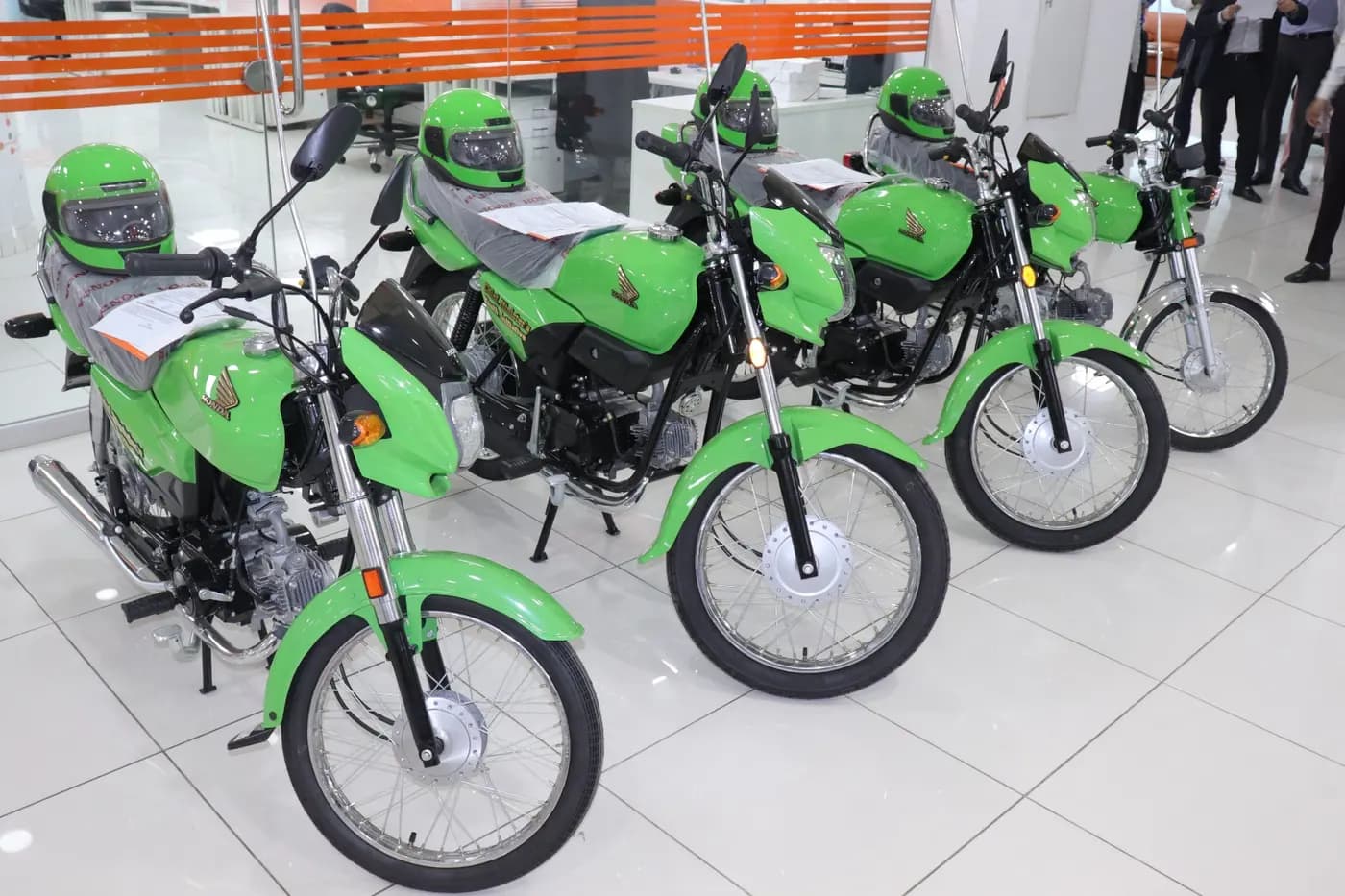
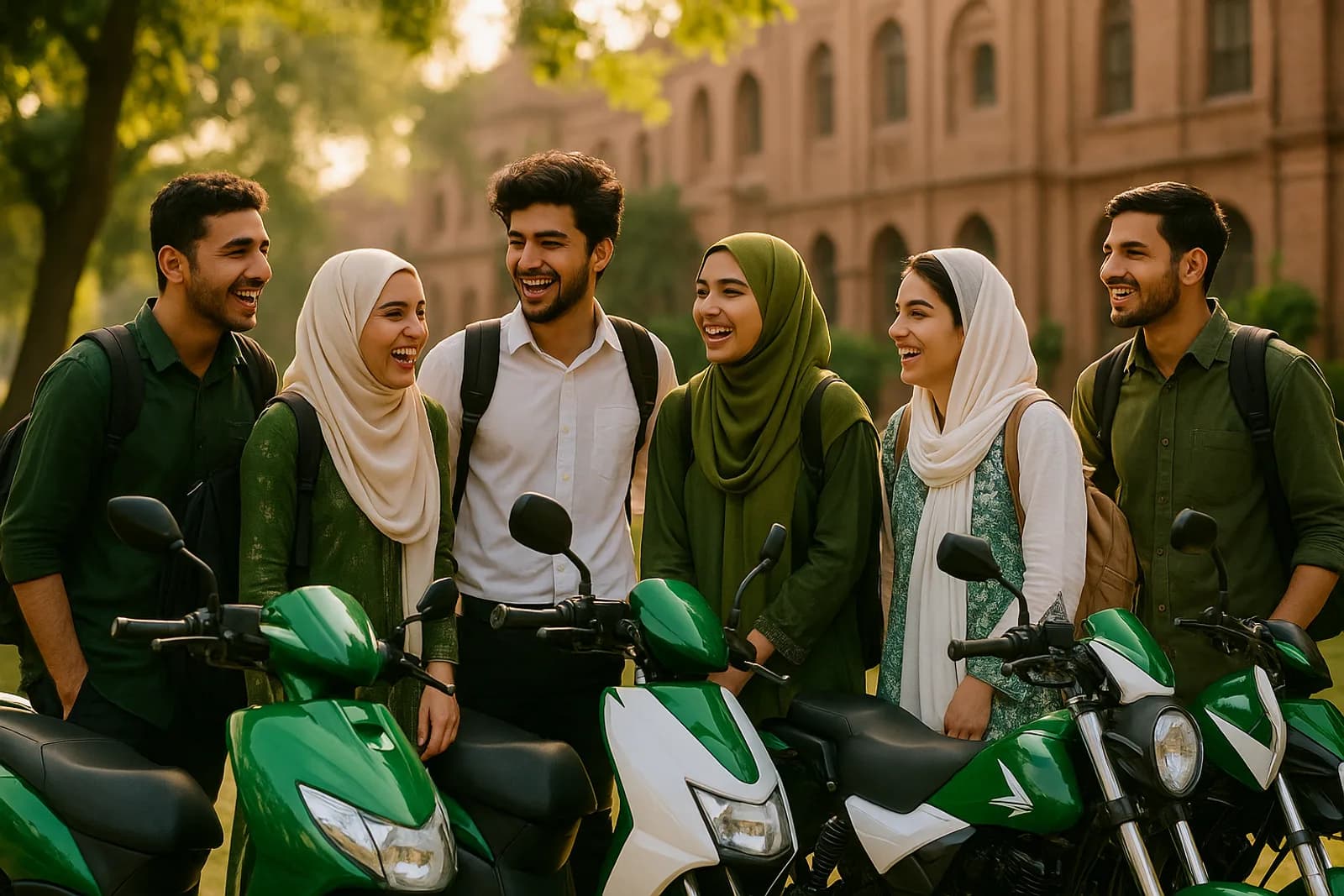
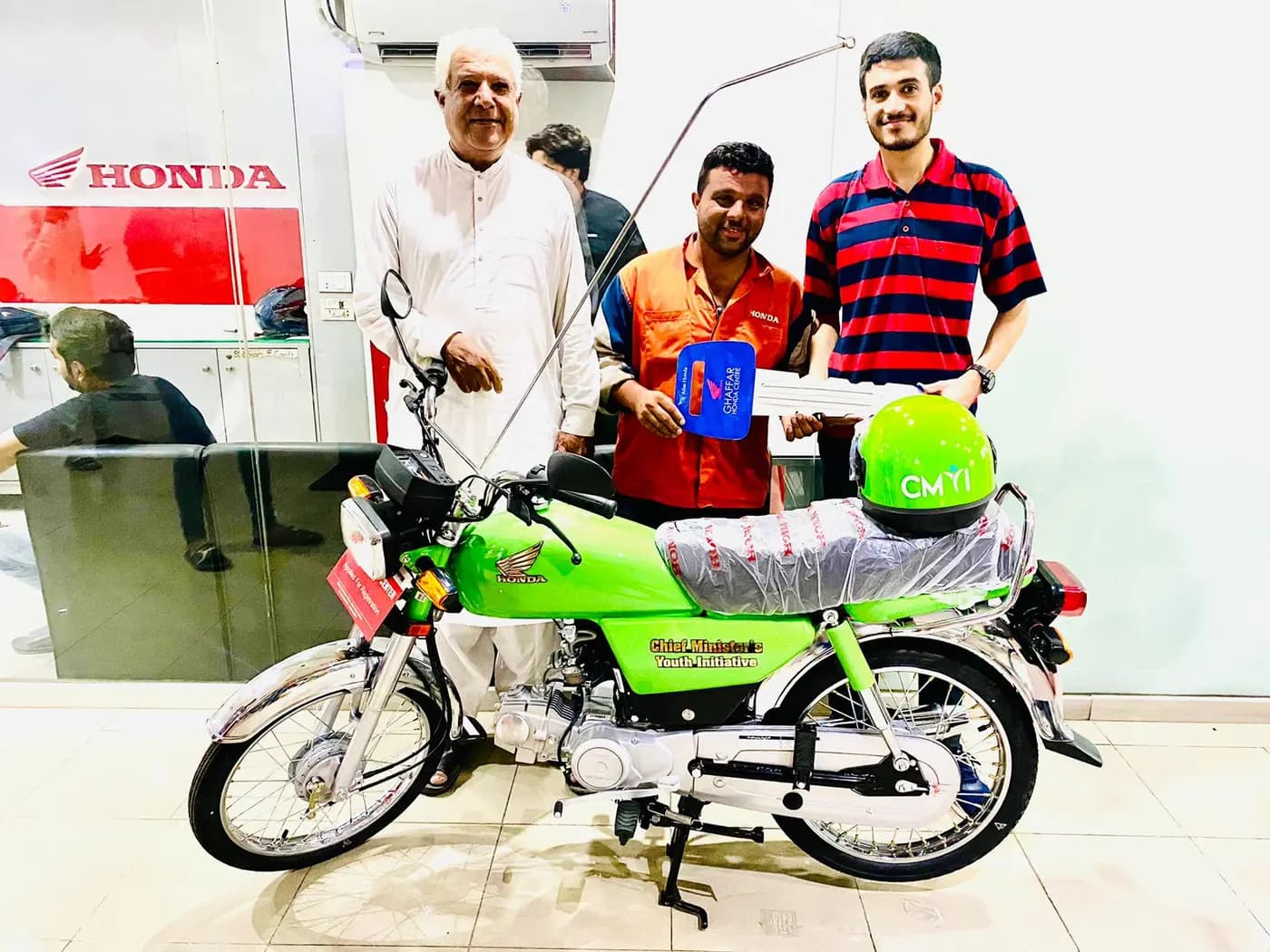
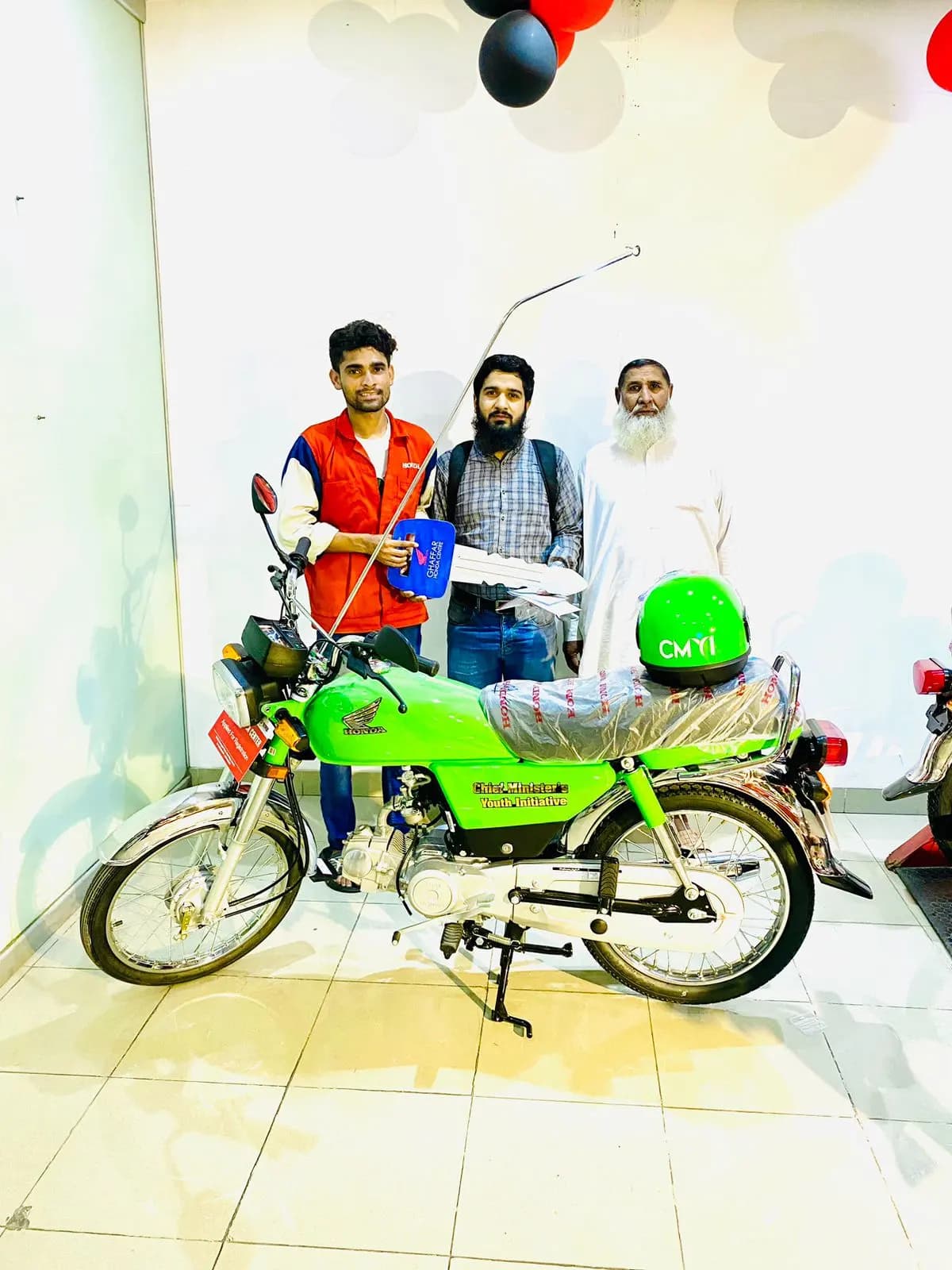
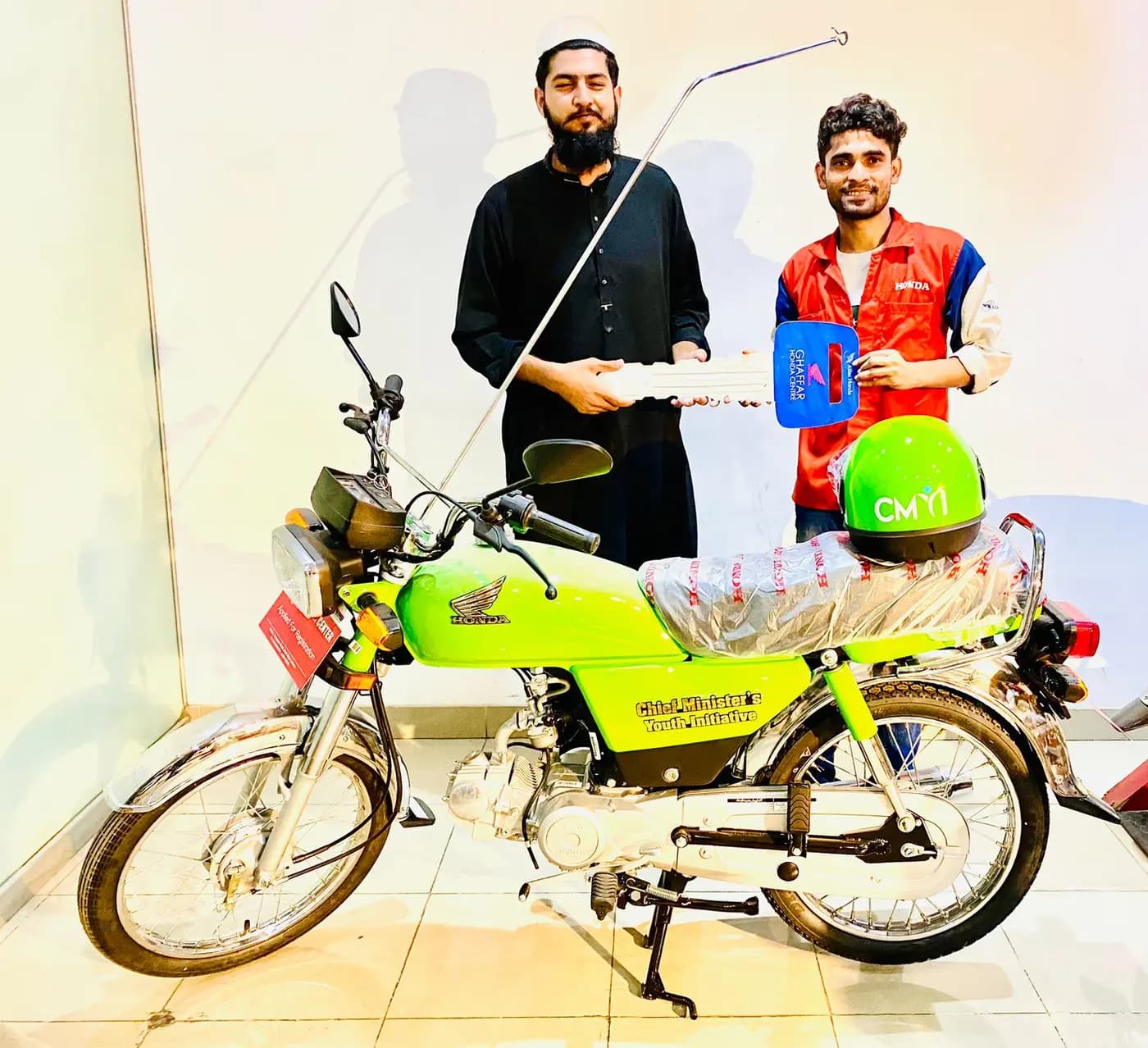
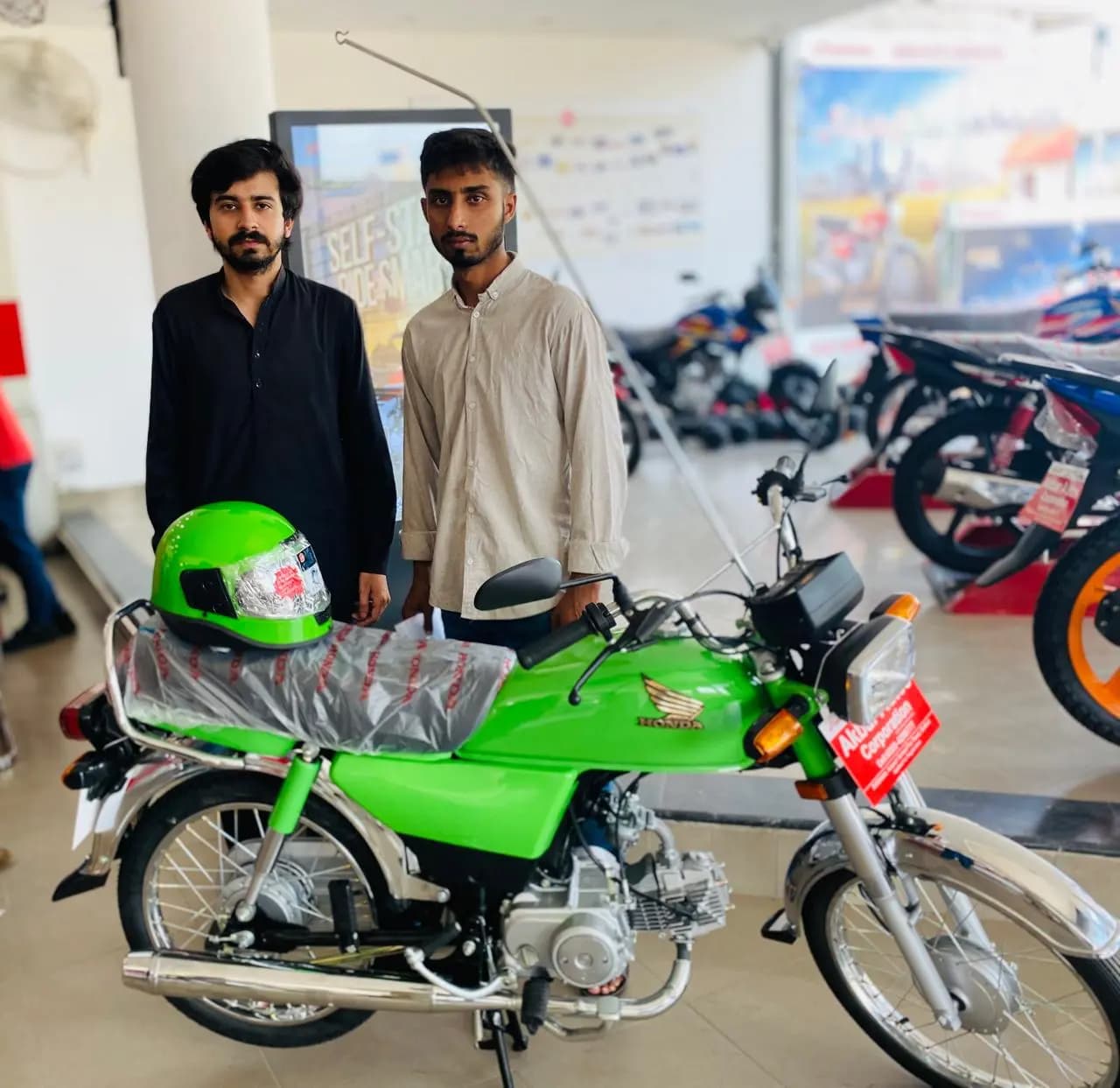
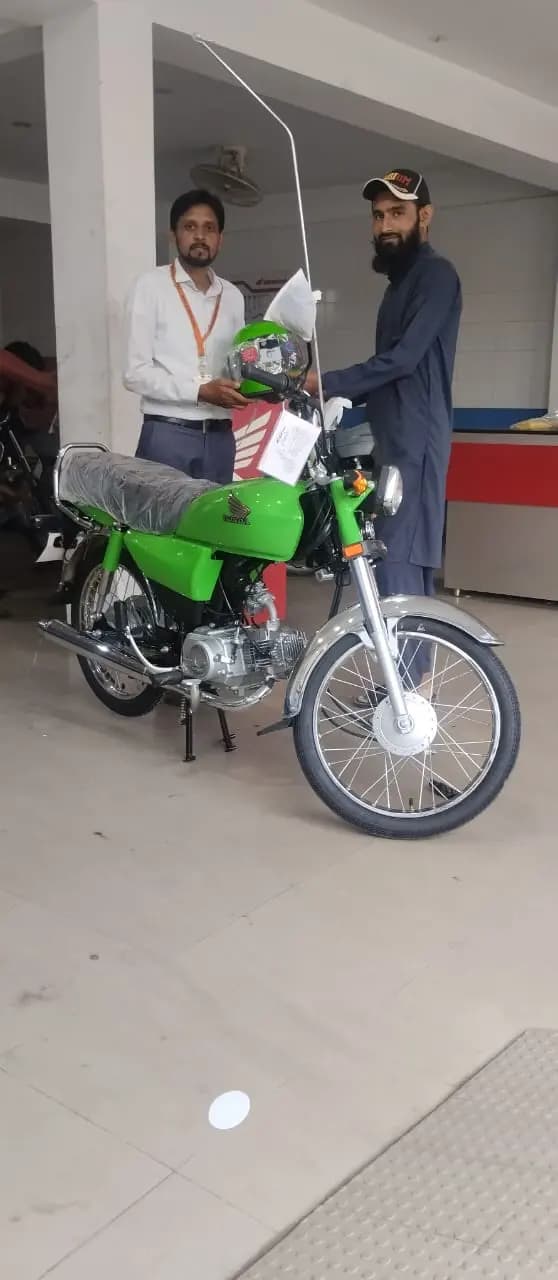
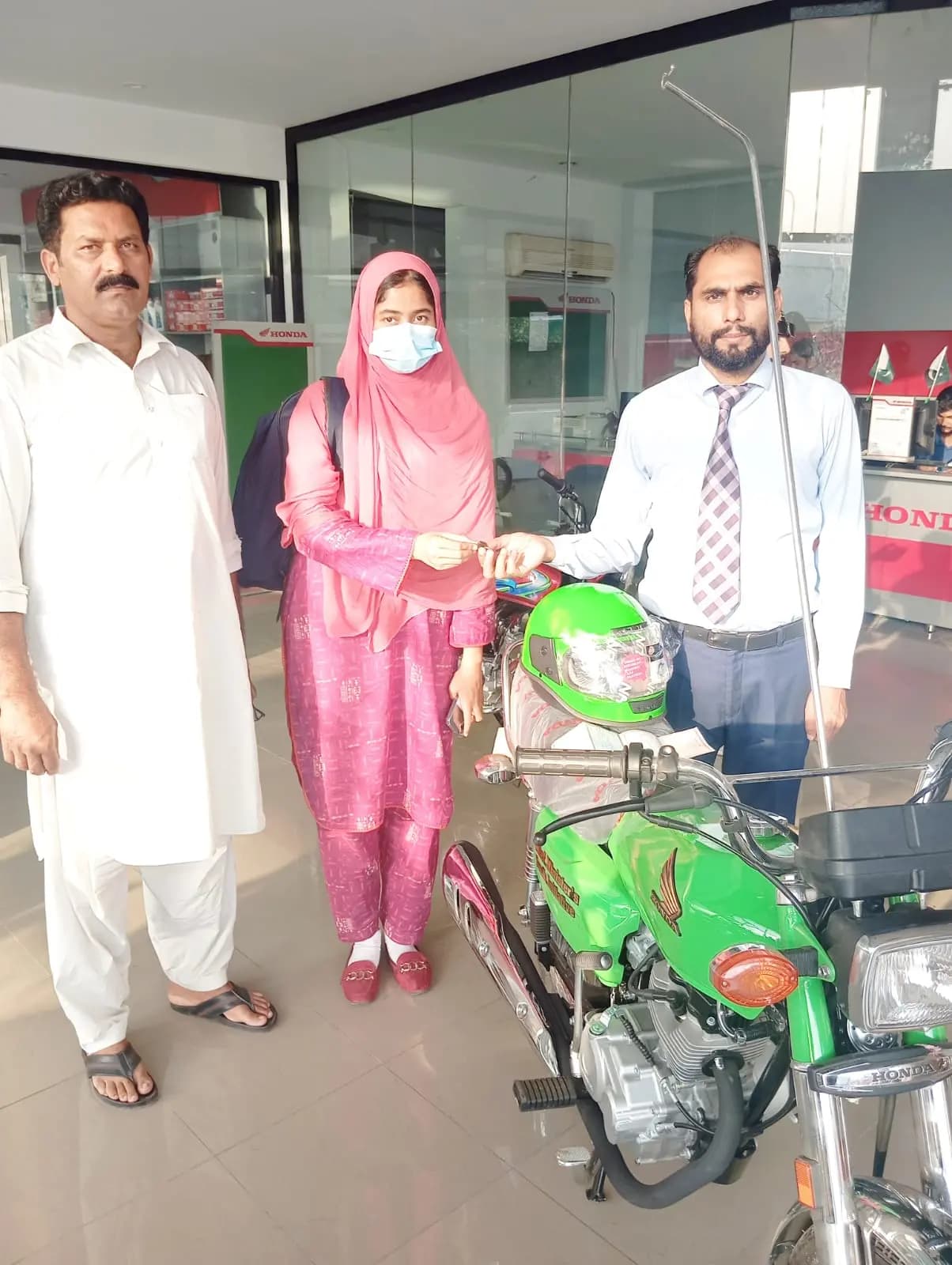
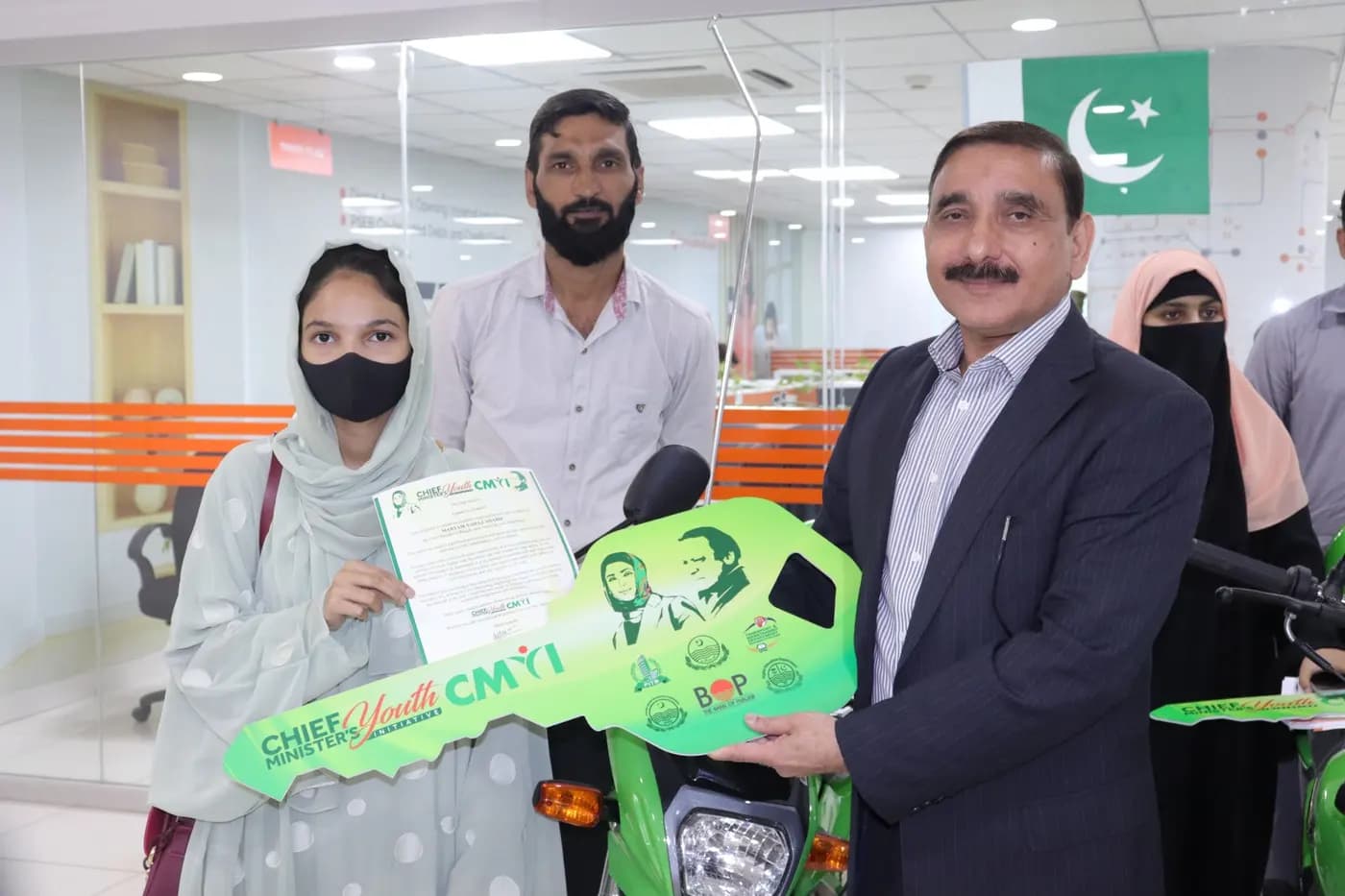
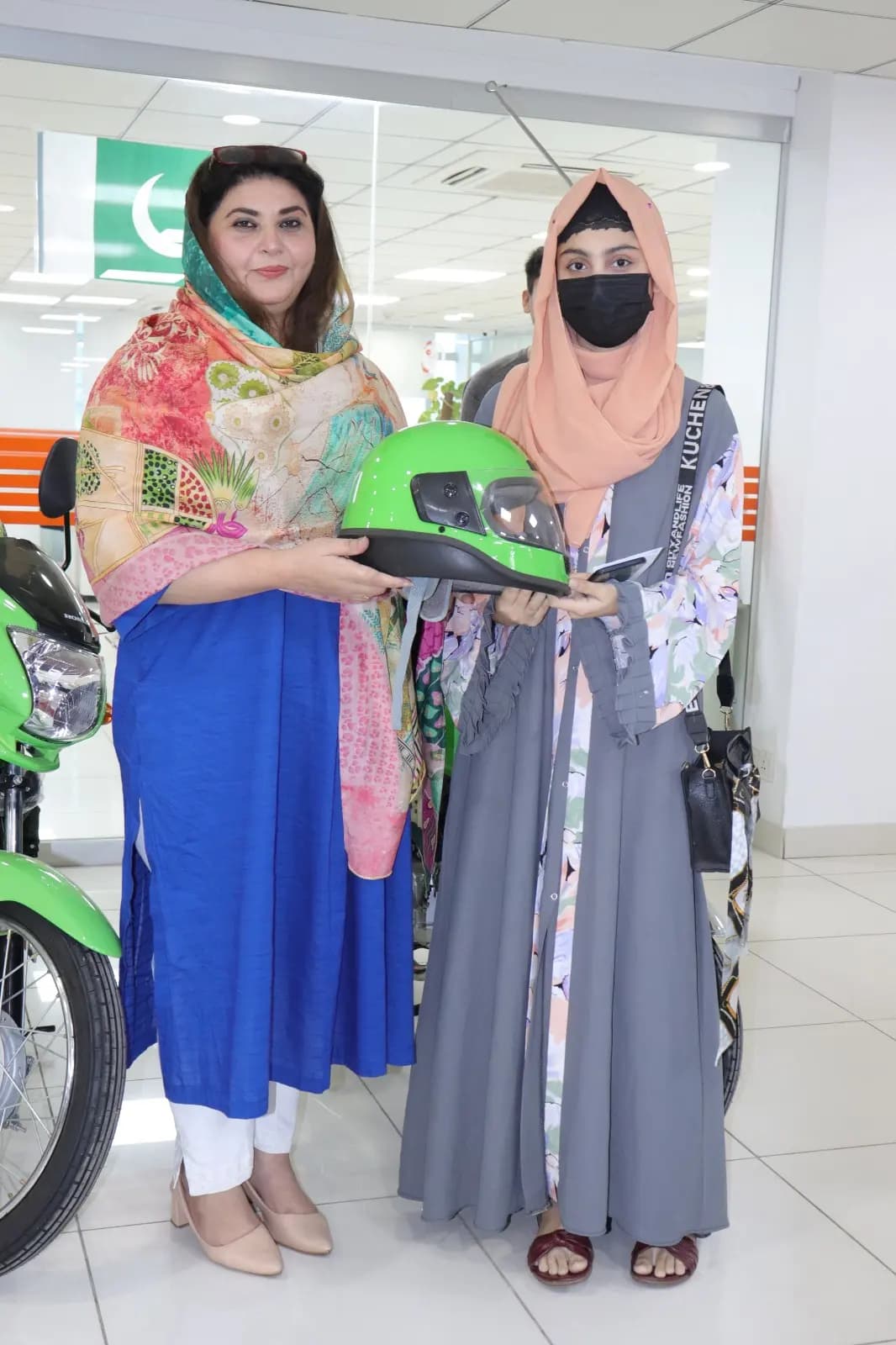
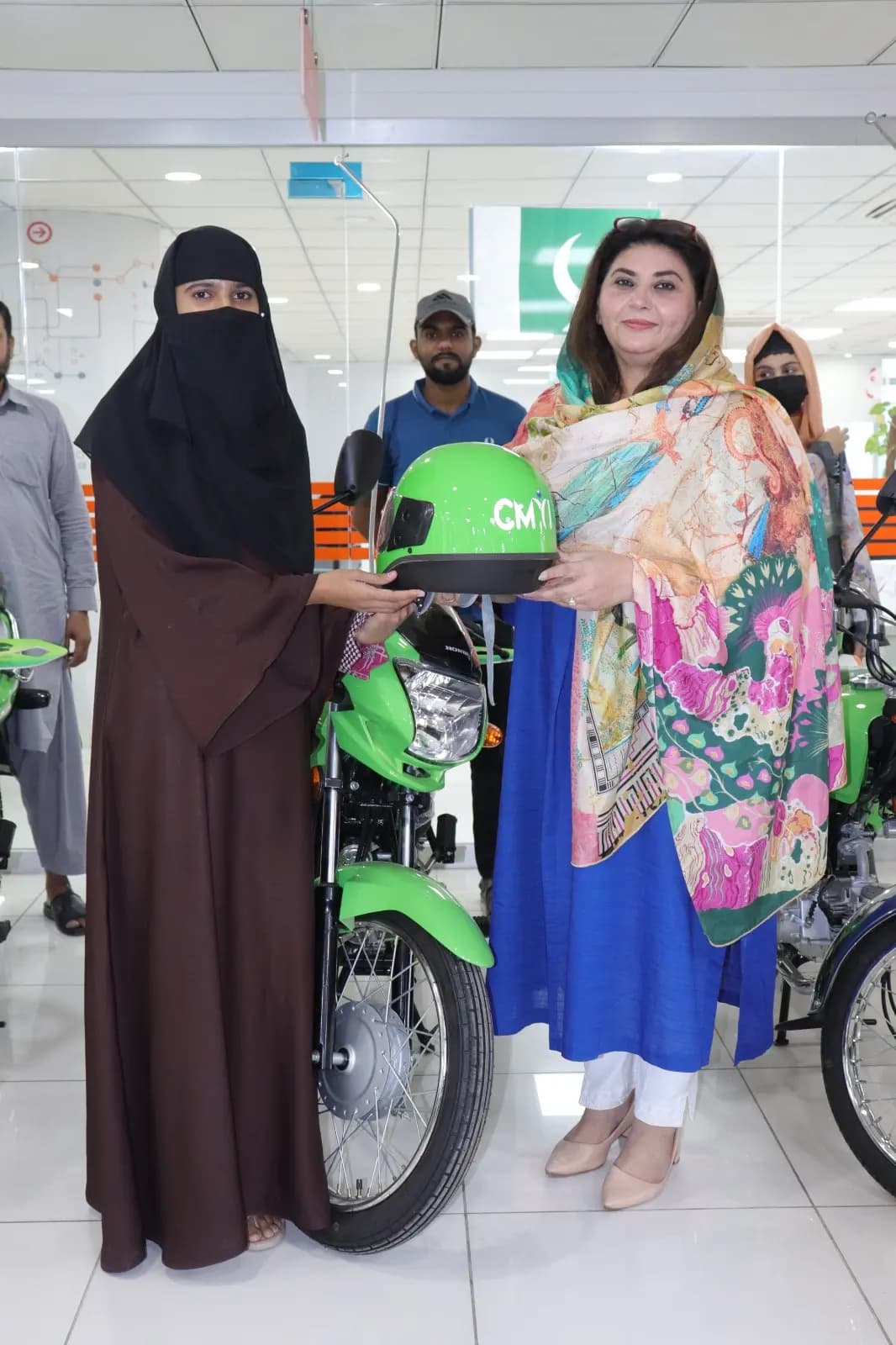
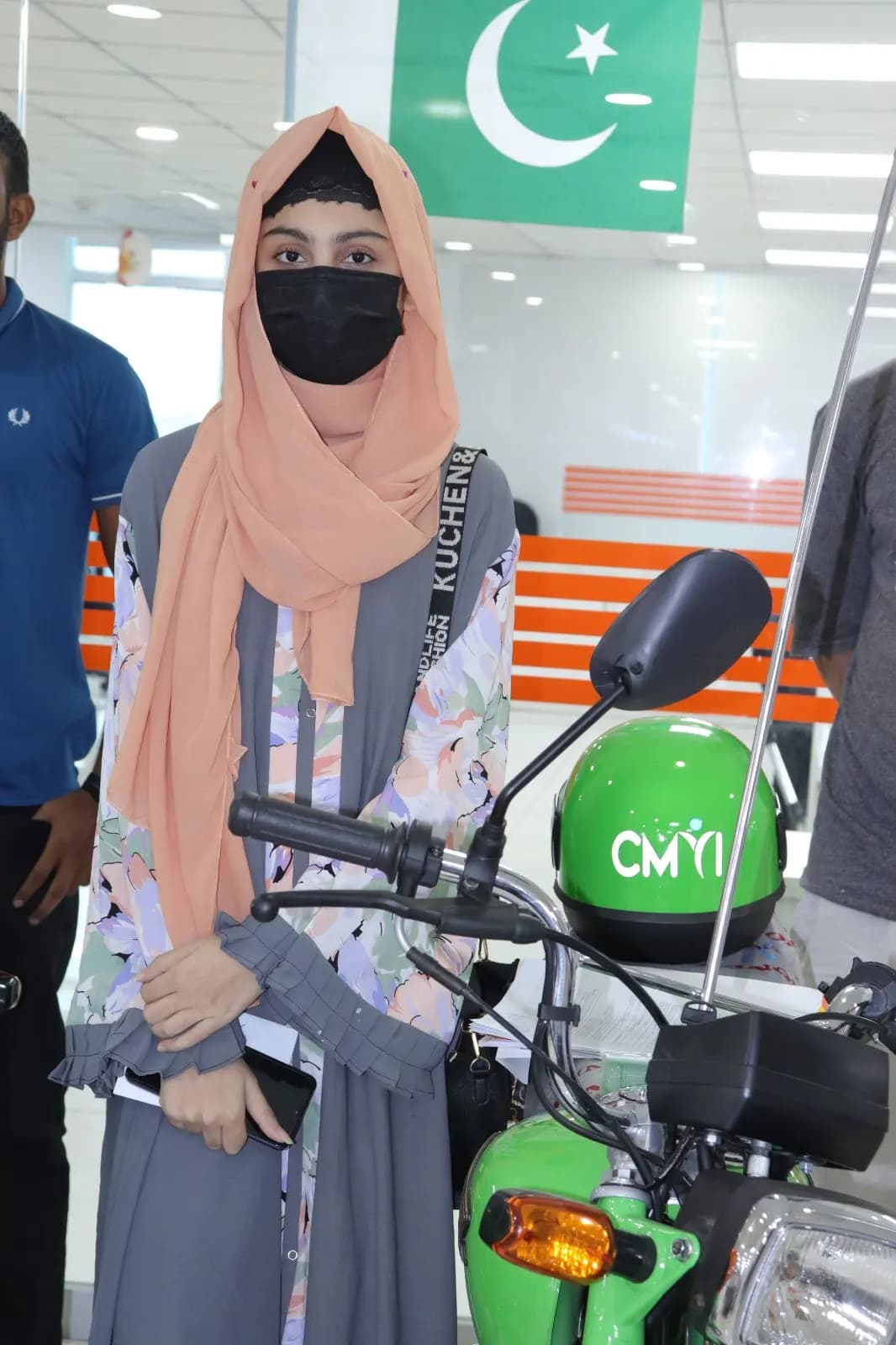
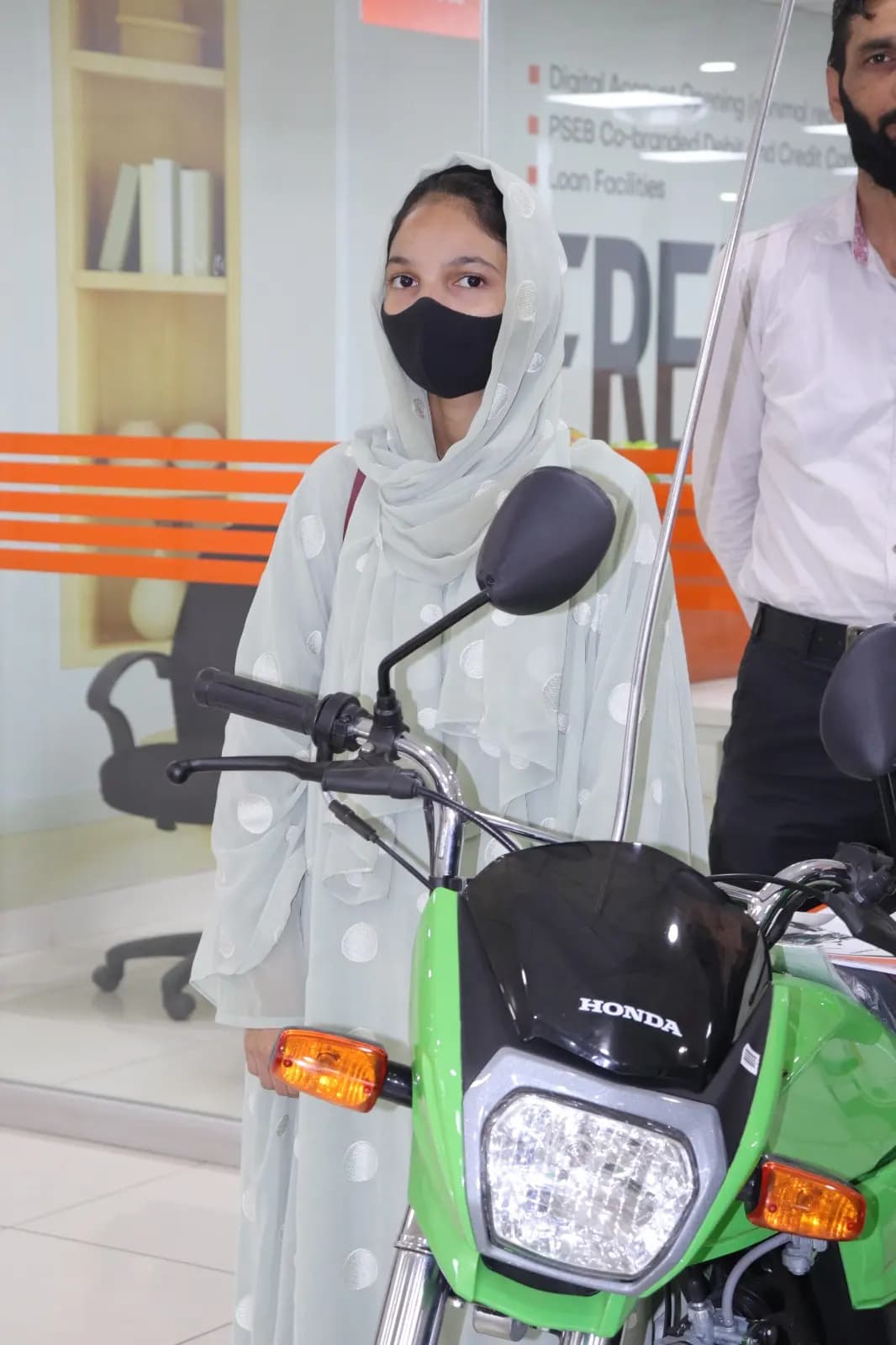
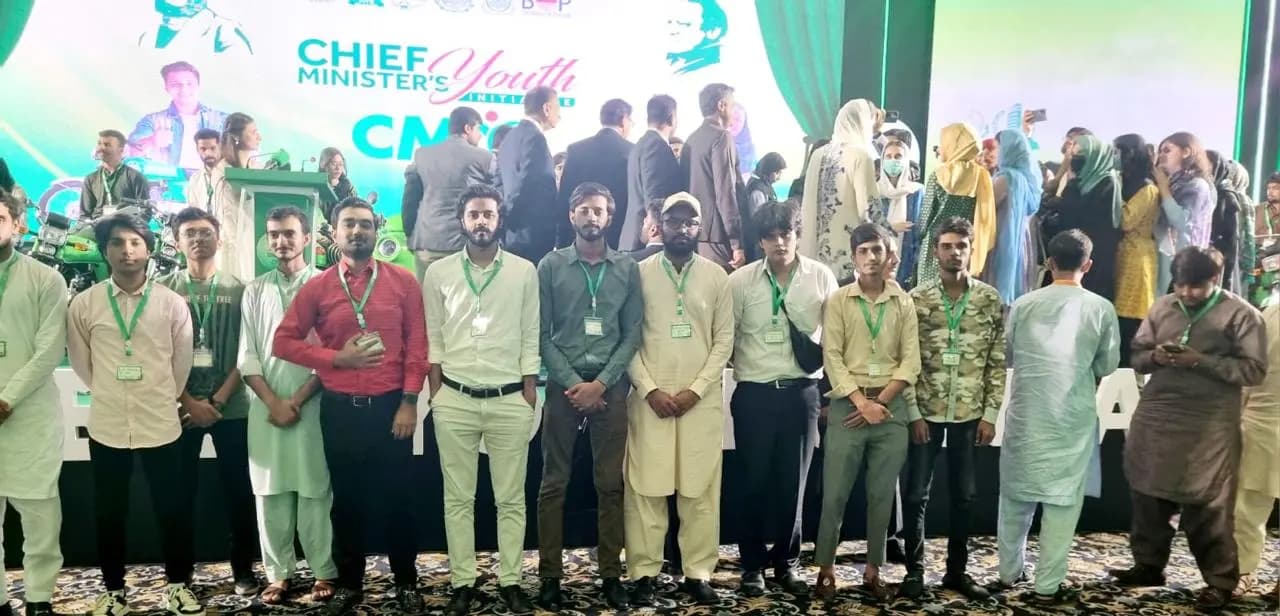
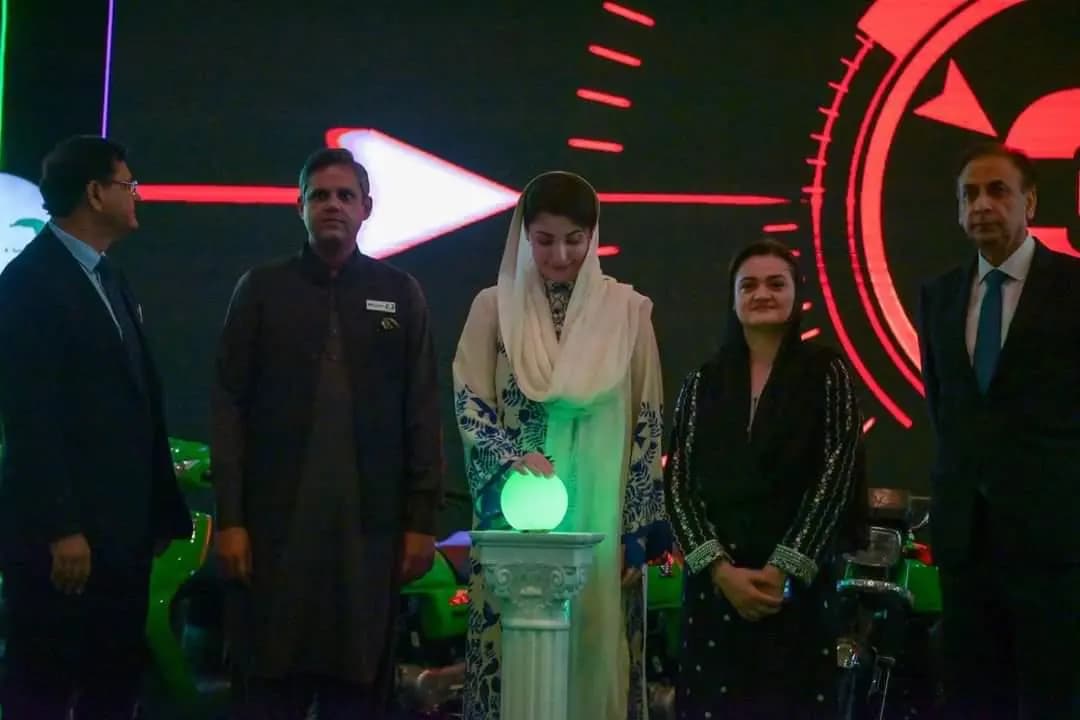
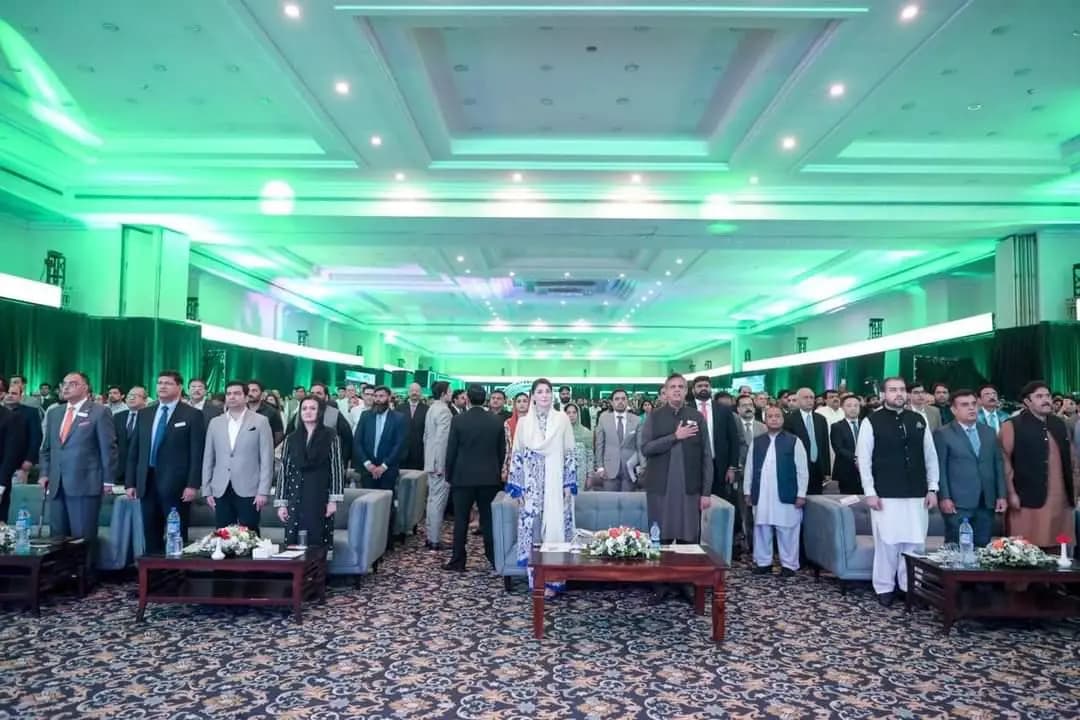
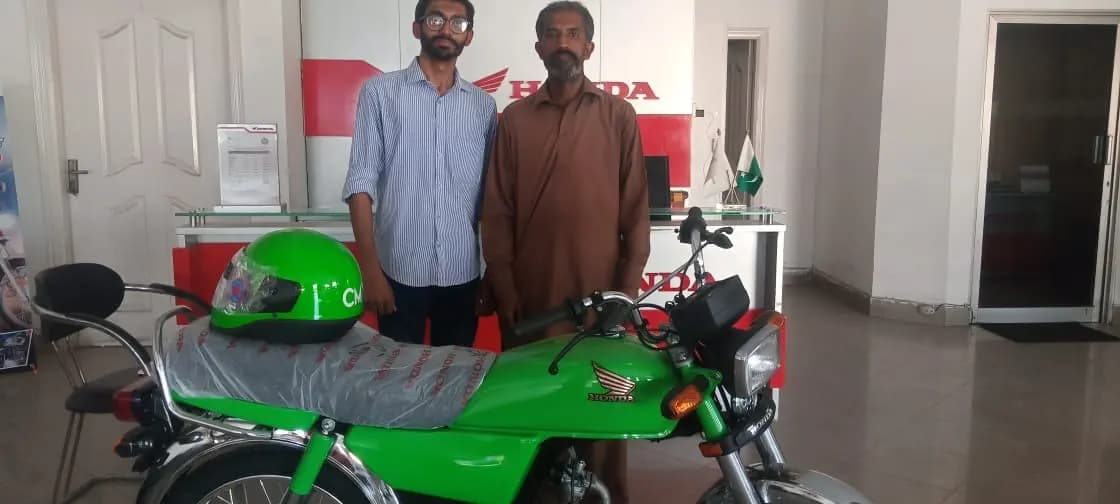
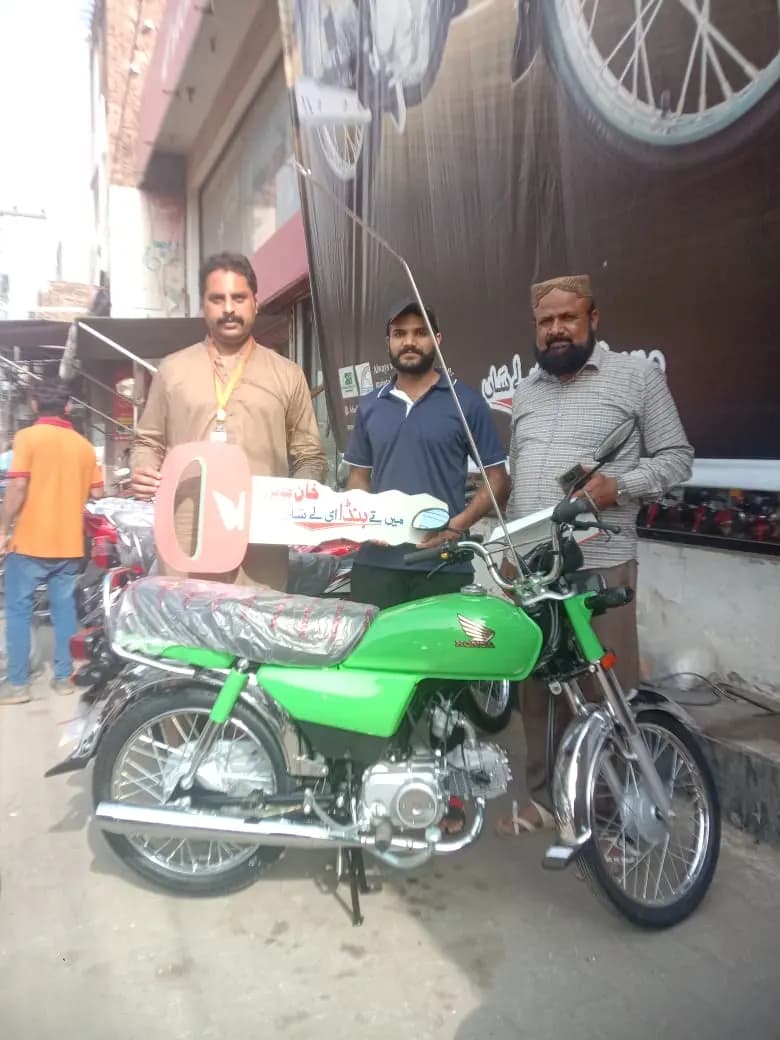
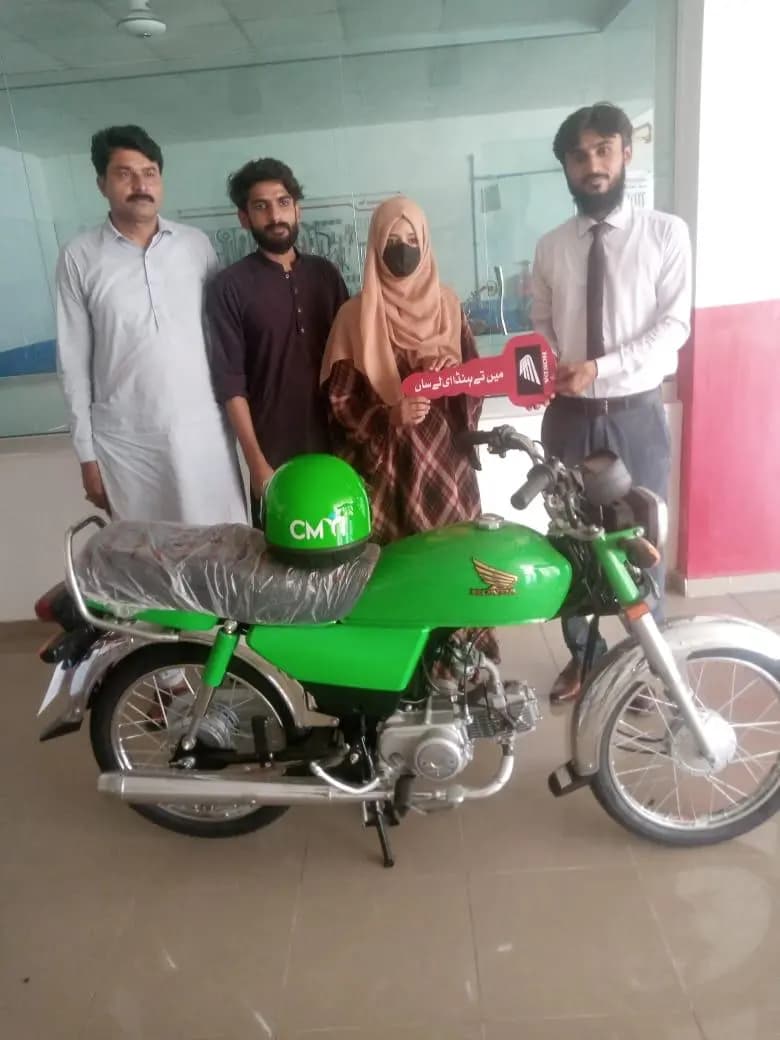
Every photo below is from actual scheme deliveries — students, teachers and families who met the criteria on this page and collected their bikes.

Eligibility FAQs
Common eligibility questions
Most rejections happen because applicants misread the rules. These answers cover the situations we're asked about most.
Can I apply at 17 if I turn 18 soon?
No. You must already be 18 on the day you submit the application. If your birthday falls after the deadline, wait for the next registration round — new phases are announced on bikes.punjab.gov.pk.
I have a car licence but no motorcycle licence. Am I eligible?
No. The scheme specifically requires a motorcycle driving licence or learner's permit. A car licence does not satisfy the requirement. A motorcycle learner's permit is quick to obtain from your local licensing authority — often the same day — so get one before applying.
My university is HEC-recognized but my program isn't separately accredited. Can I apply?
Yes. Verification checks institutional recognition, not program-level accreditation. If your university appears in the HEC recognized institutions directory, you qualify regardless of your specific degree program.
Do female applicants also need a driving licence?
Yes. The licence or learner's permit requirement applies equally to men and women, with no exceptions. Many licensing authorities offer expedited processing, so apply for a permit early.
Can Virtual University or AIOU students apply?
Not in Phase 1 — the scheme requires regular on-campus enrollment, which distance-learning programs don't meet. If you are simultaneously enrolled as a regular student at another HEC-recognized institution, apply with those credentials instead. Watch the official portal for any Phase 2 policy change.
Can both siblings in one family apply?
Both may apply and both may even win the ballot, but only one bike is issued per family. The Bank of Punjab enforces the rule using CNIC family records during post-ballot verification, regardless of which cities or institutions the siblings study in.
Can I apply to both the CM Punjab scheme and PM PAVE?
Yes. They are separate programs with separate portals, budgets and ballots. Meeting both sets of criteria lets you submit both applications; selection in one does not automatically disqualify you from the other.
My guarantor failed verification last phase. Can I reapply?
Yes. A failed guarantor check does not ban you from future rounds. Reapply in the next phase with a different guarantor whose ECIB credit history is clean and whose address matches their utility bill.
Eligible? Apply the right way.
Follow our step-by-step application walkthrough and document checklist so nothing trips you up at verification.