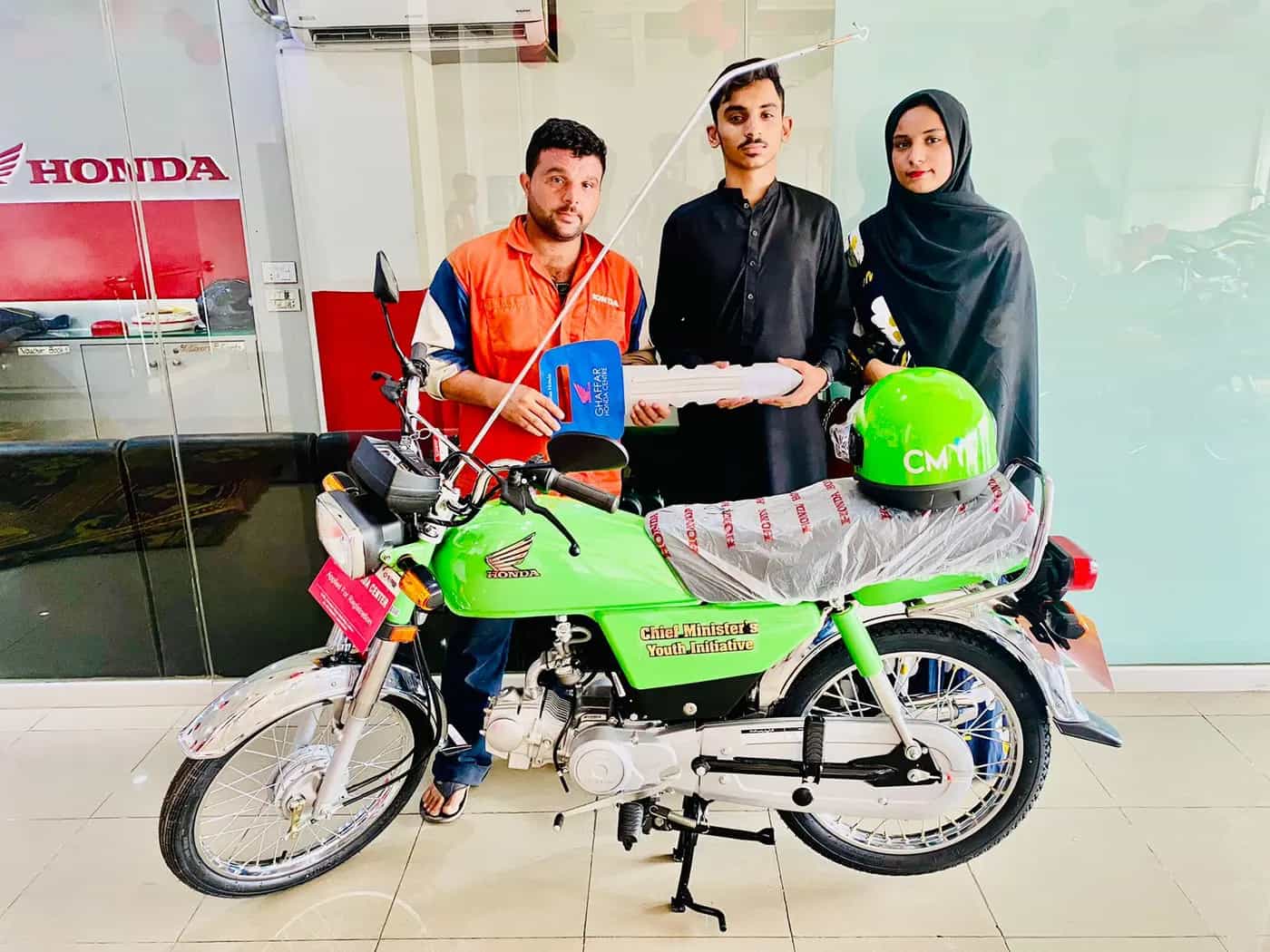
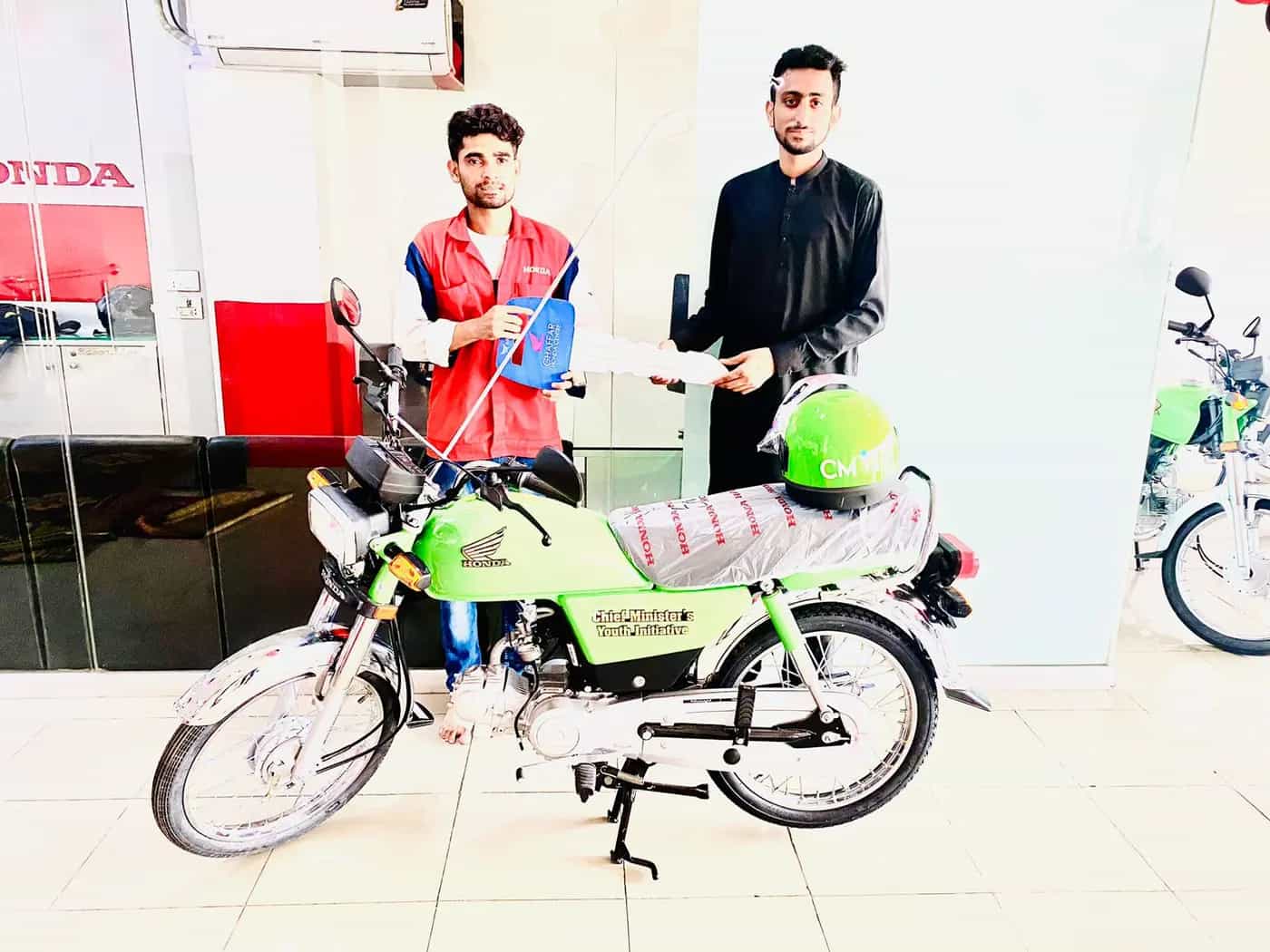
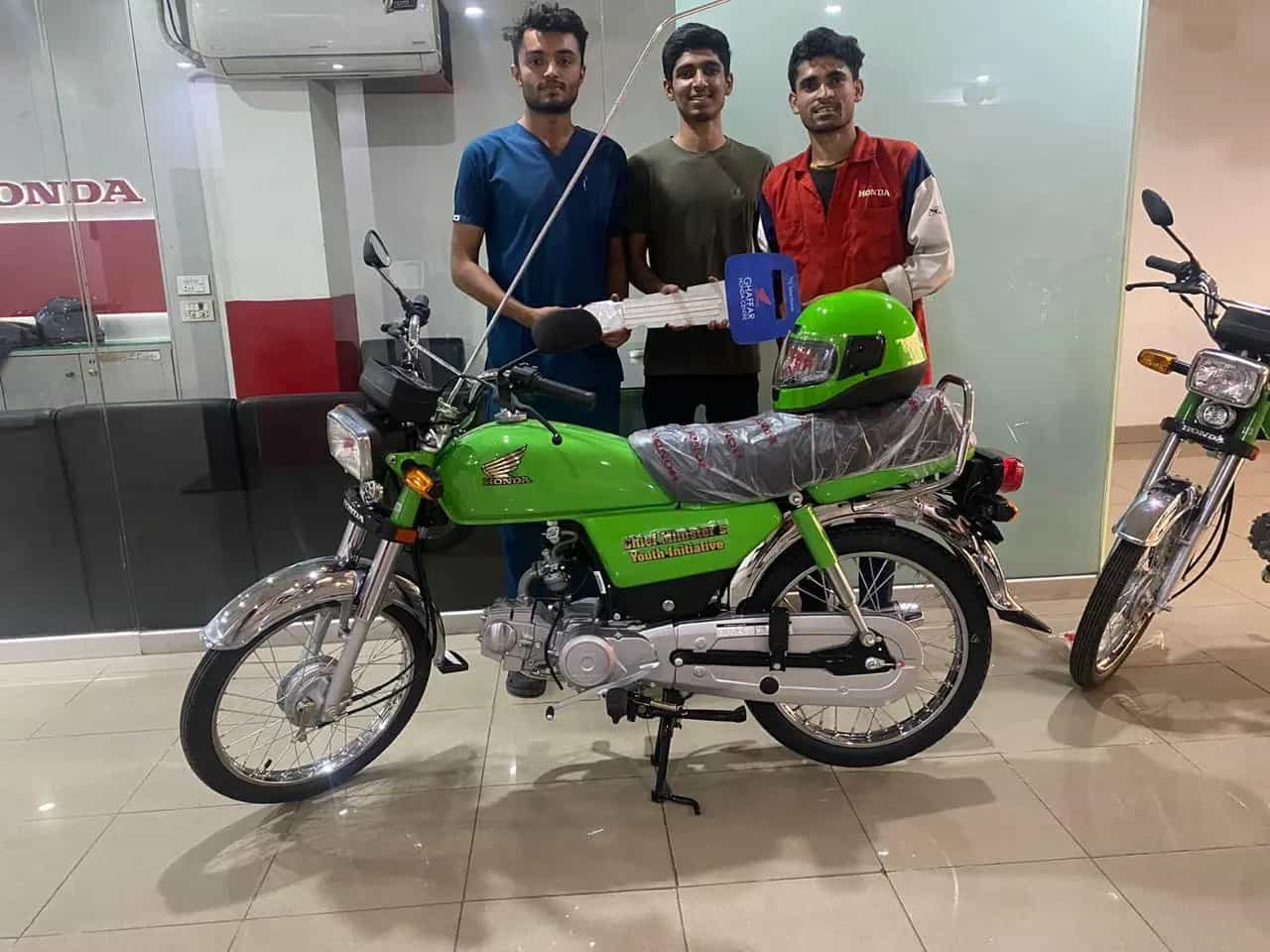
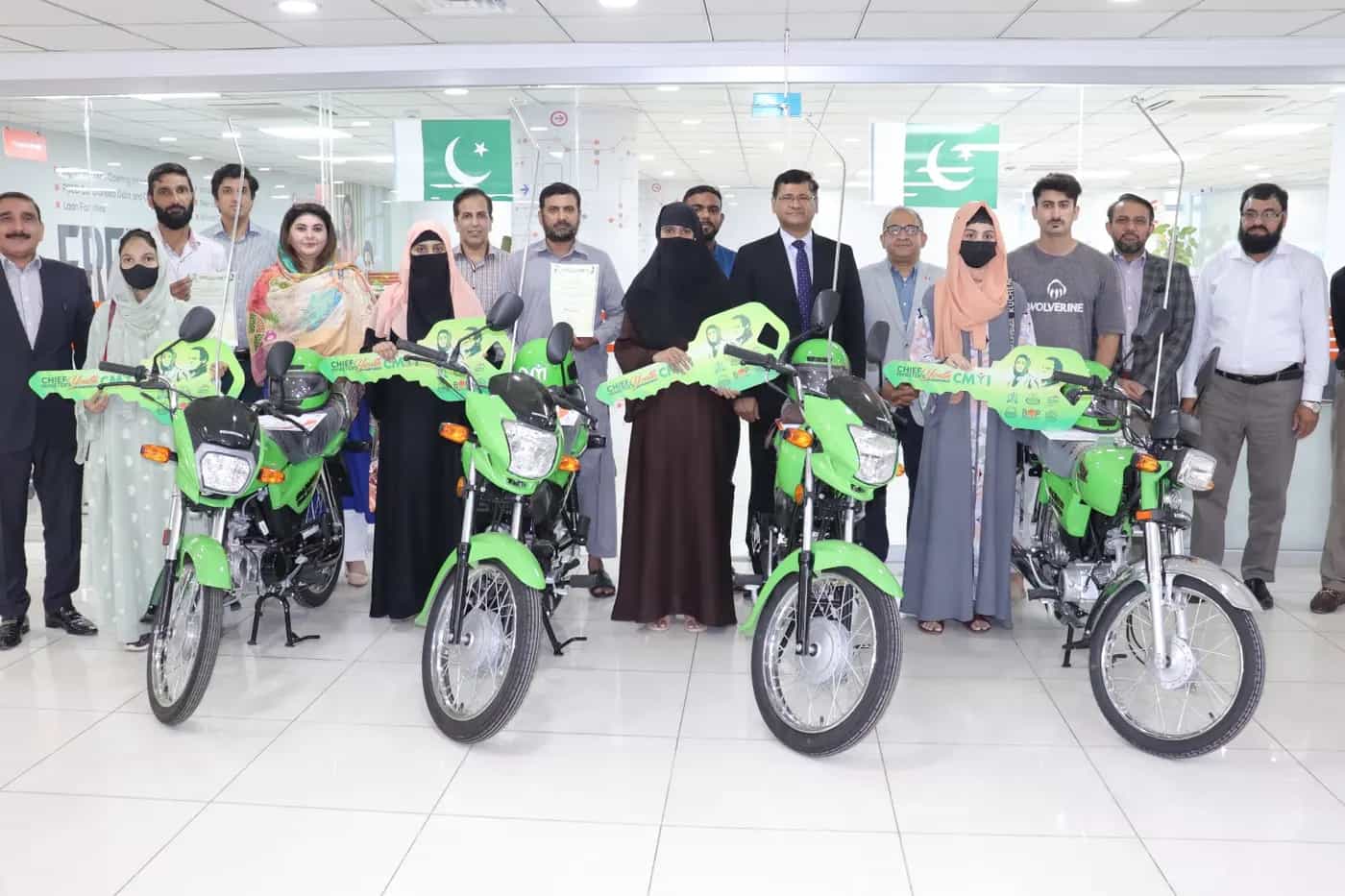
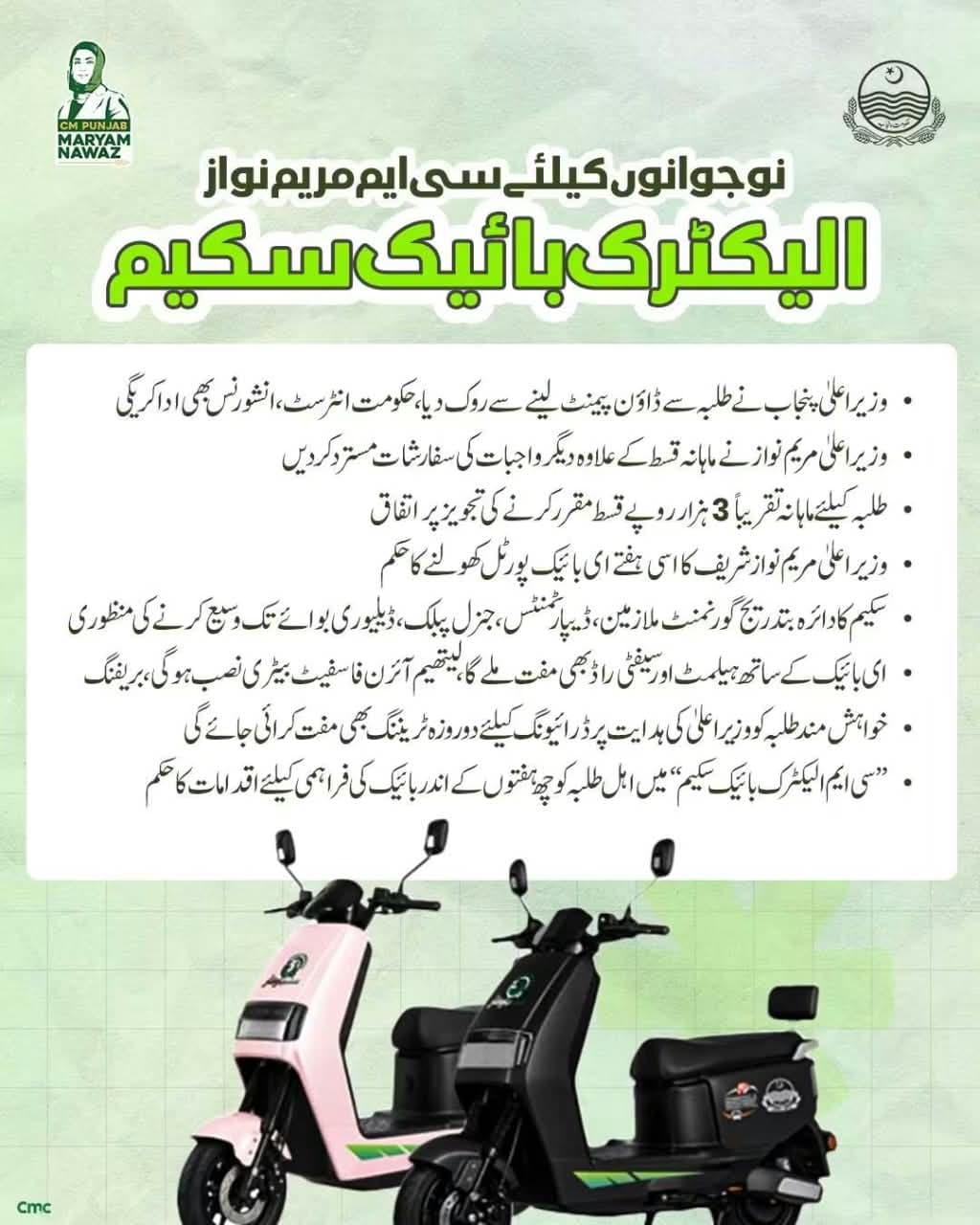
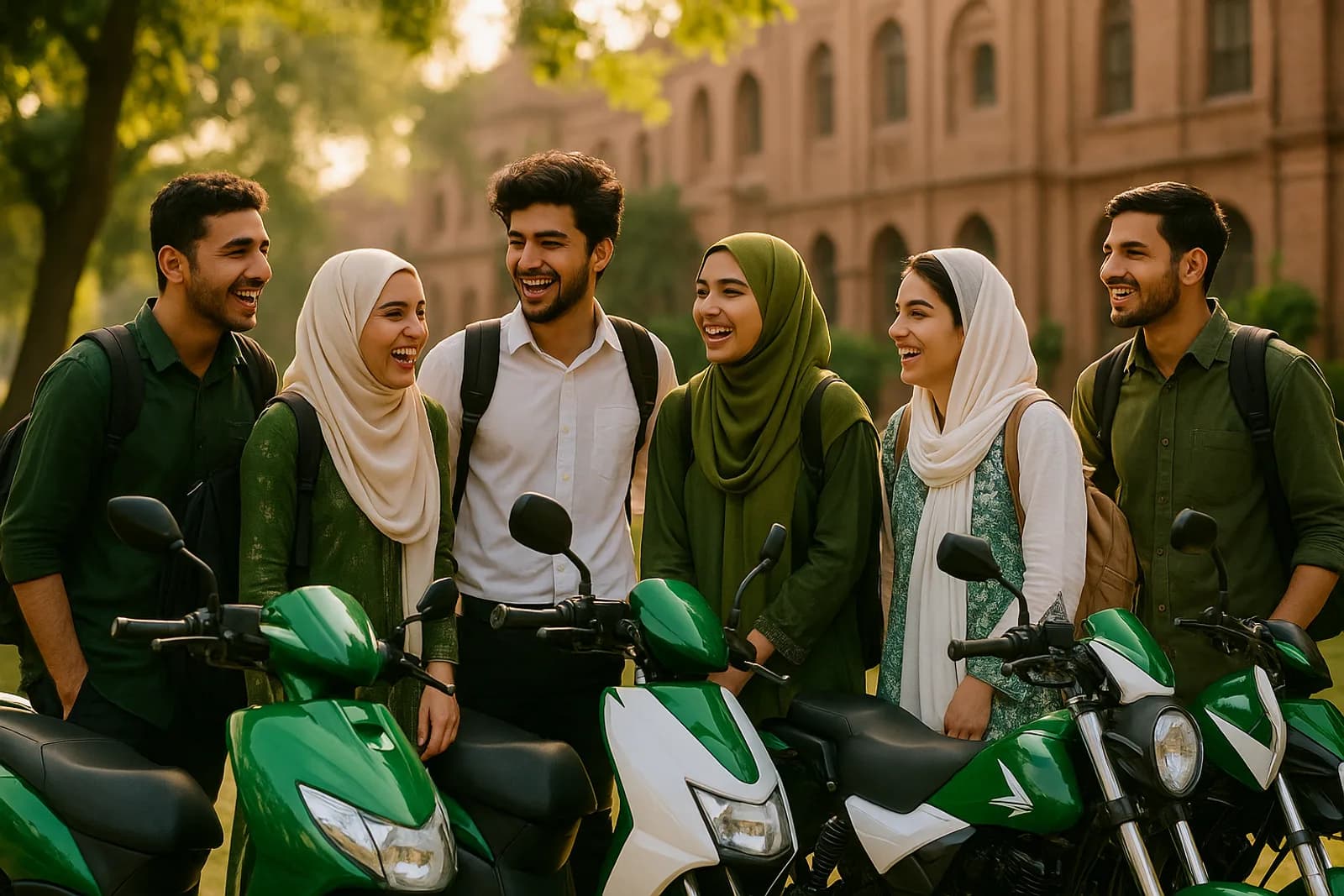
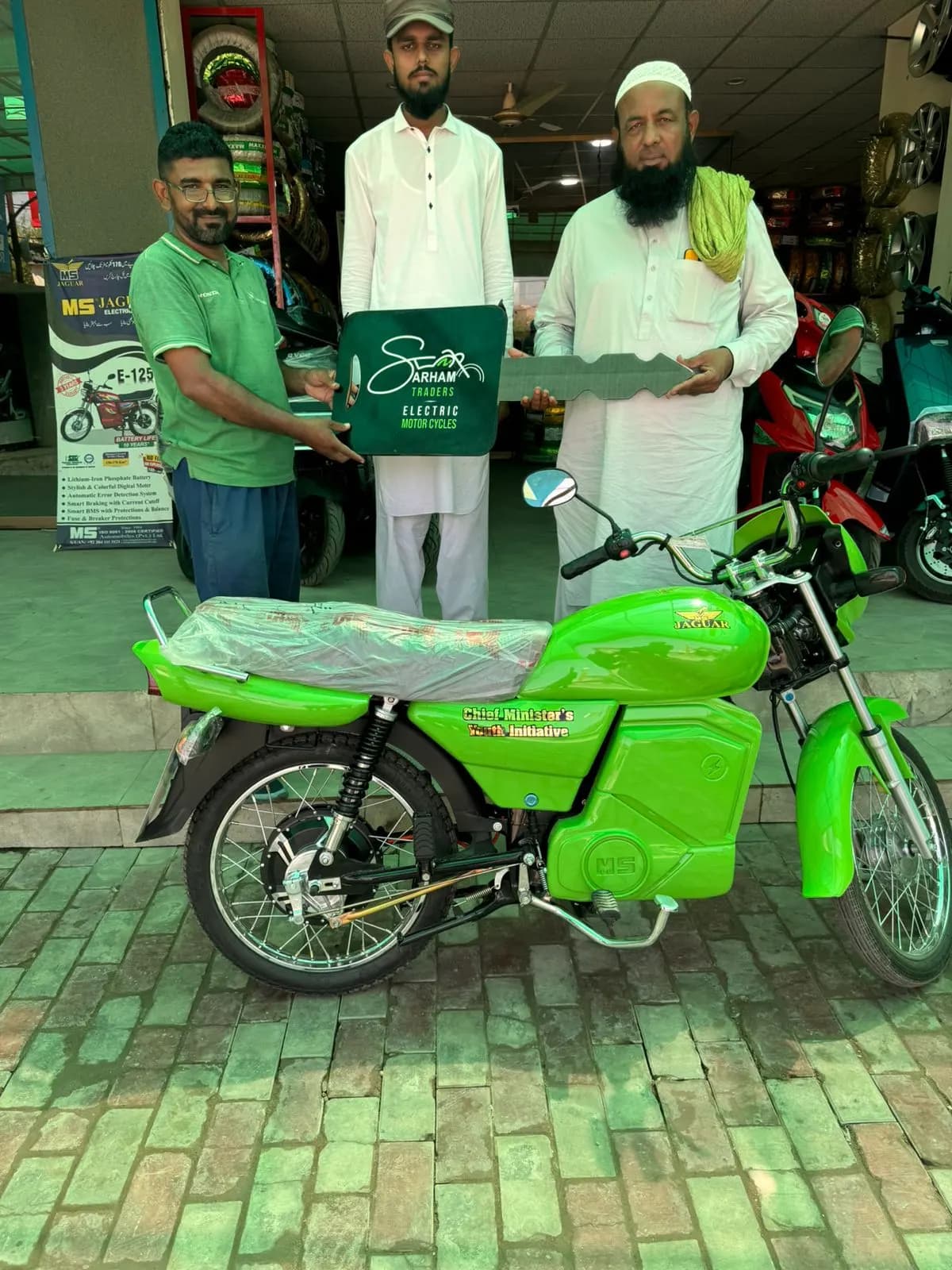
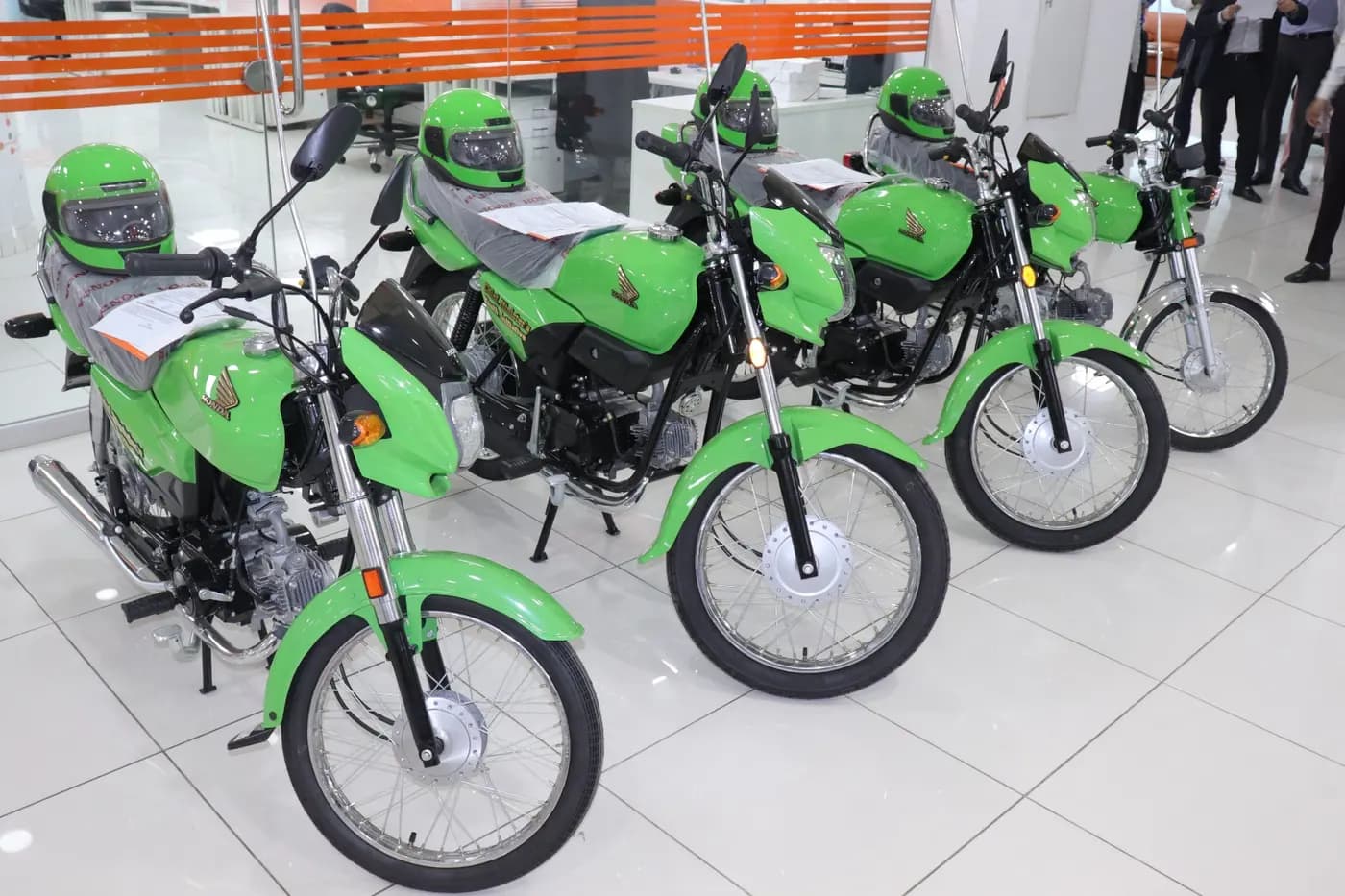
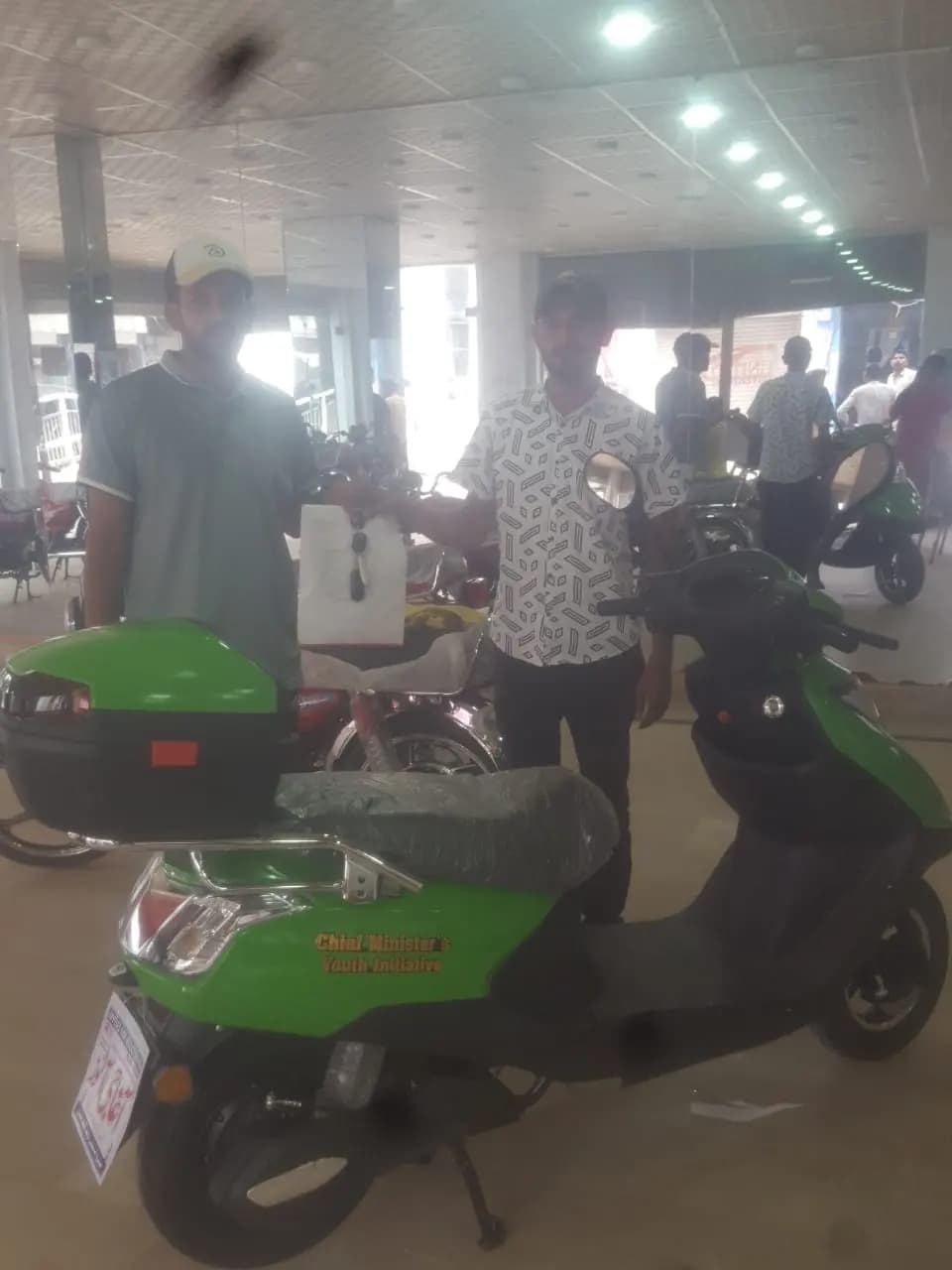
Electric bikes enjoy the scheme's most generous financing — up to PKR 250,000, a full PKR 100,000 above the petrol cap — because the government is deliberately steering applicants toward electric mobility. The approved catalogue features Pakistan's emerging EV names: Jolta, Vlektra, OKLA, E-Turbo, Revoo, Buraaq, Crown Electric and Yadea, with typical prices between PKR 170,000 and 250,000.
The economics are startling the first time you calculate them. A full overnight charge from a standard 220V home socket costs PKR 30 to 50 and delivers 50 to 70 kilometres — a per-kilometre energy cost around one-tenth of petrol. Maintenance nearly disappears: no engine oil, no carburetor, no clutch plates, just brakes, tyres and periodic battery care. Over a 24-month plan, a typical city commuter saves well over PKR 100,000 against the petrol equivalent.
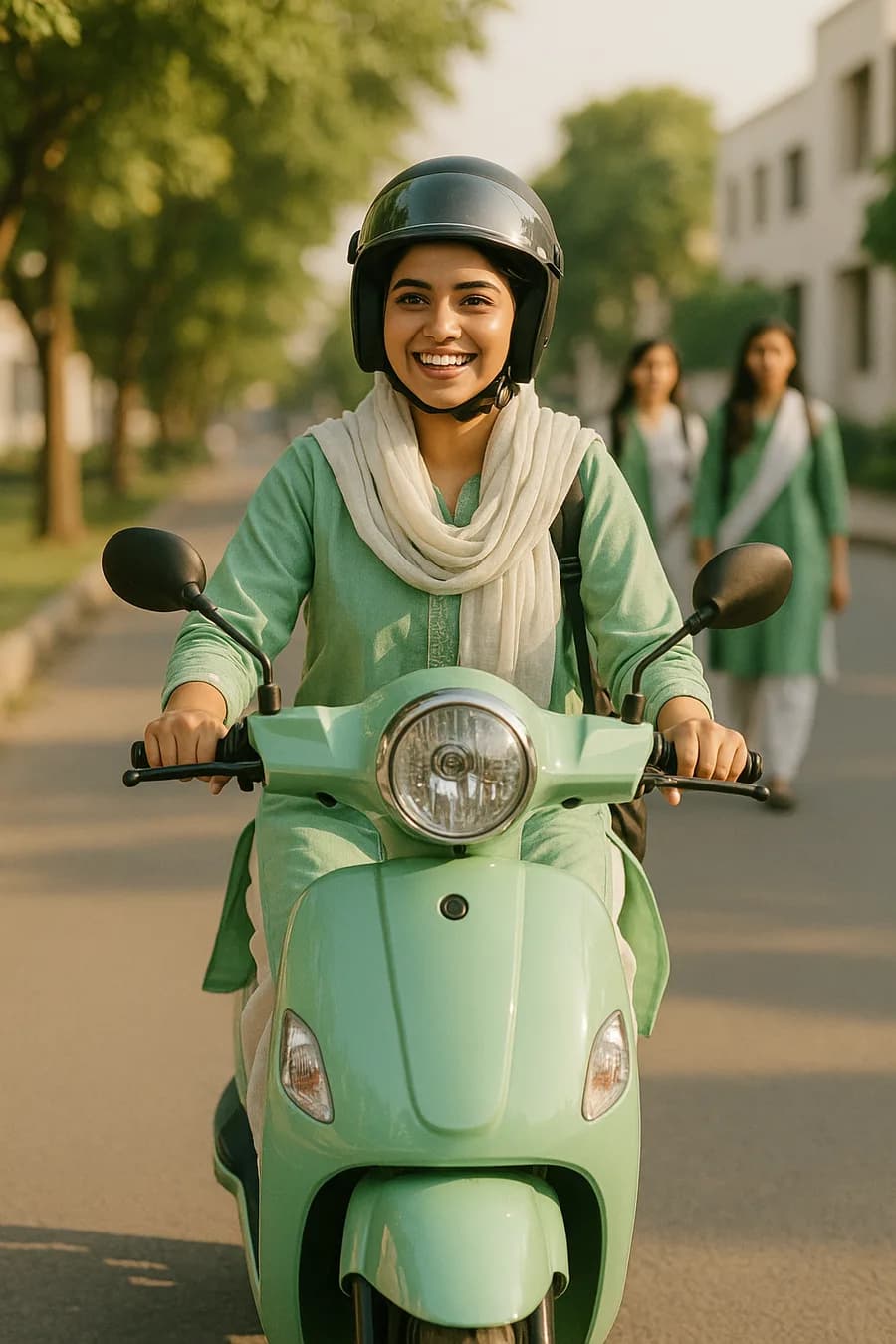
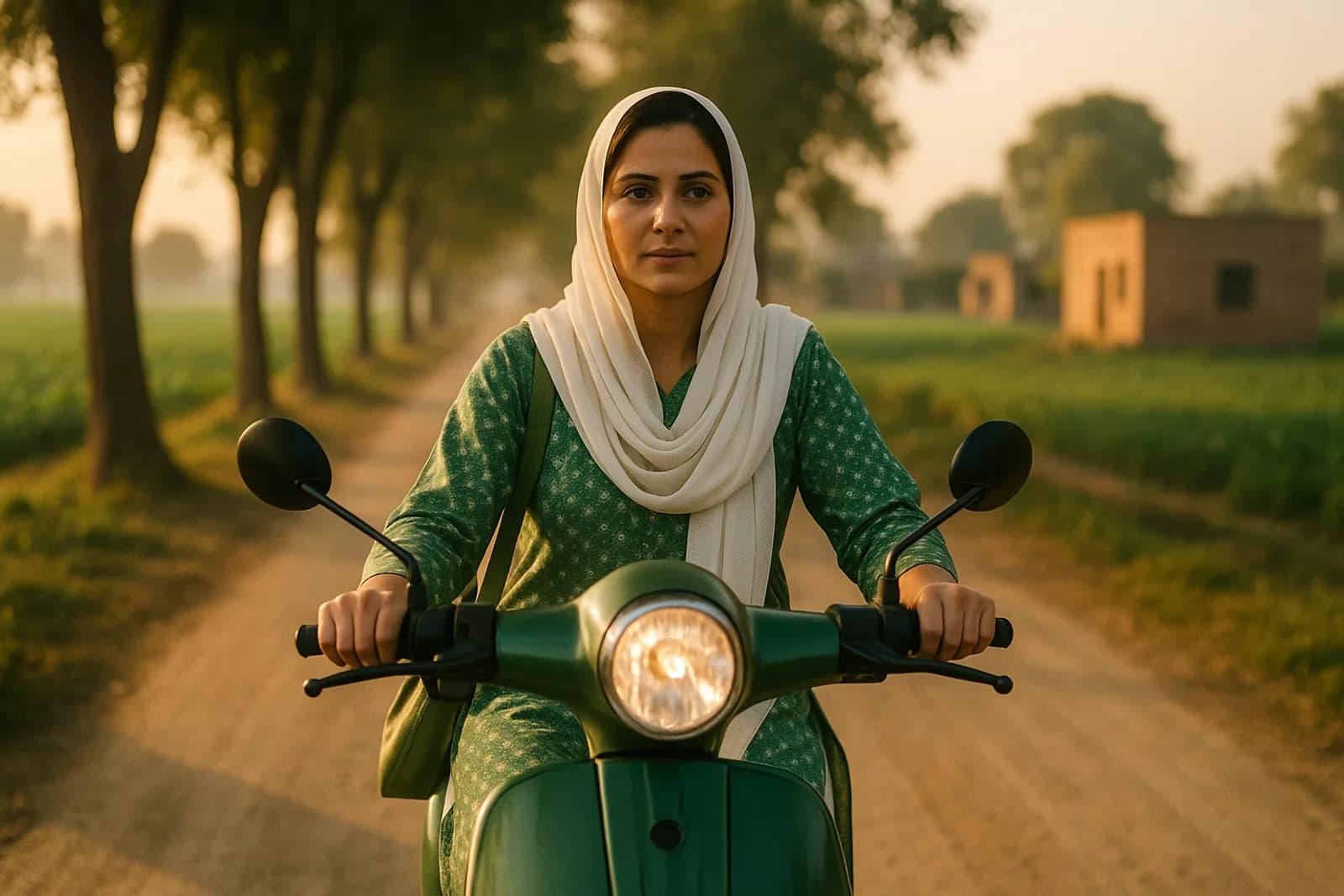
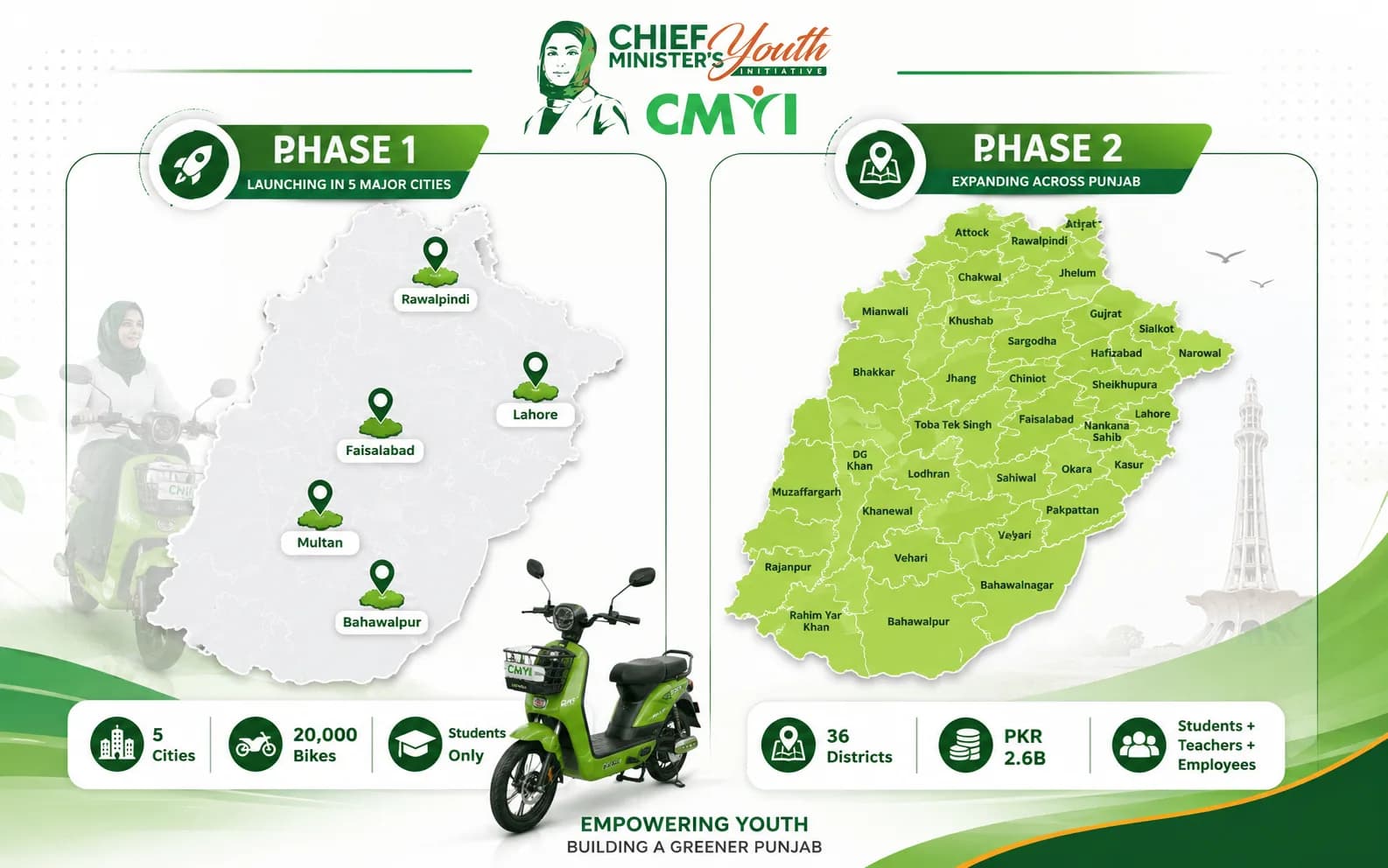
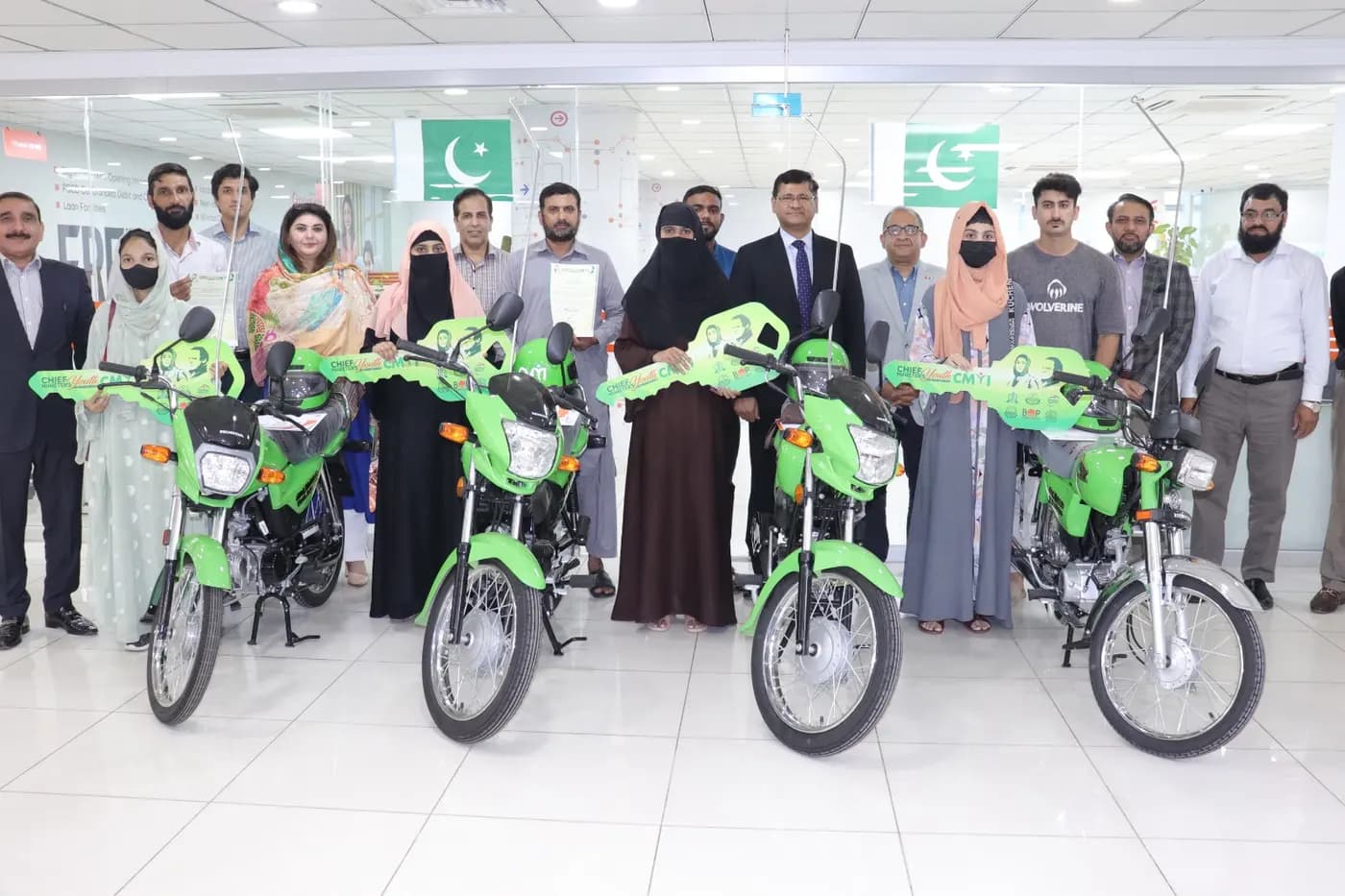
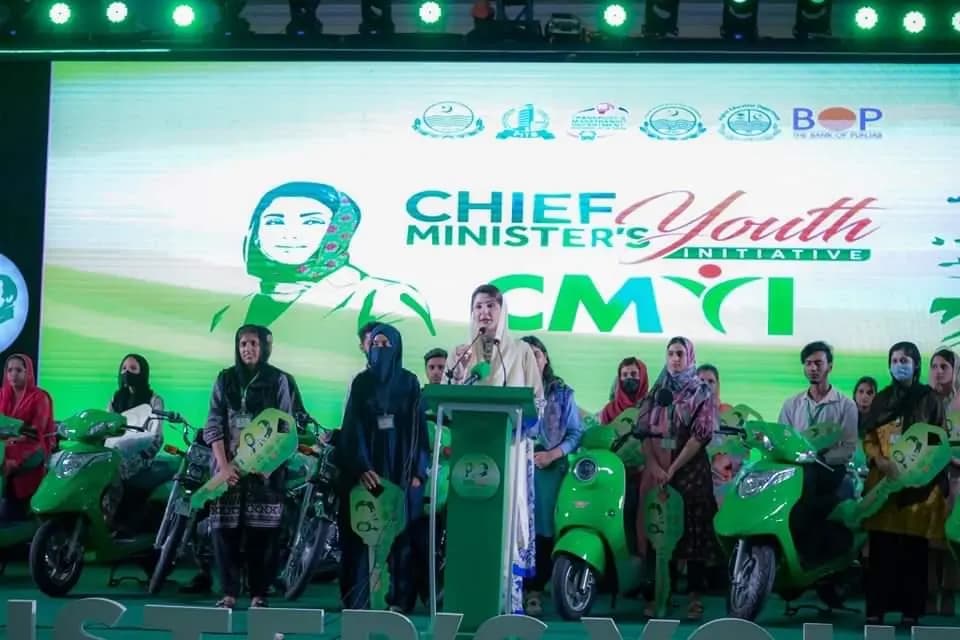
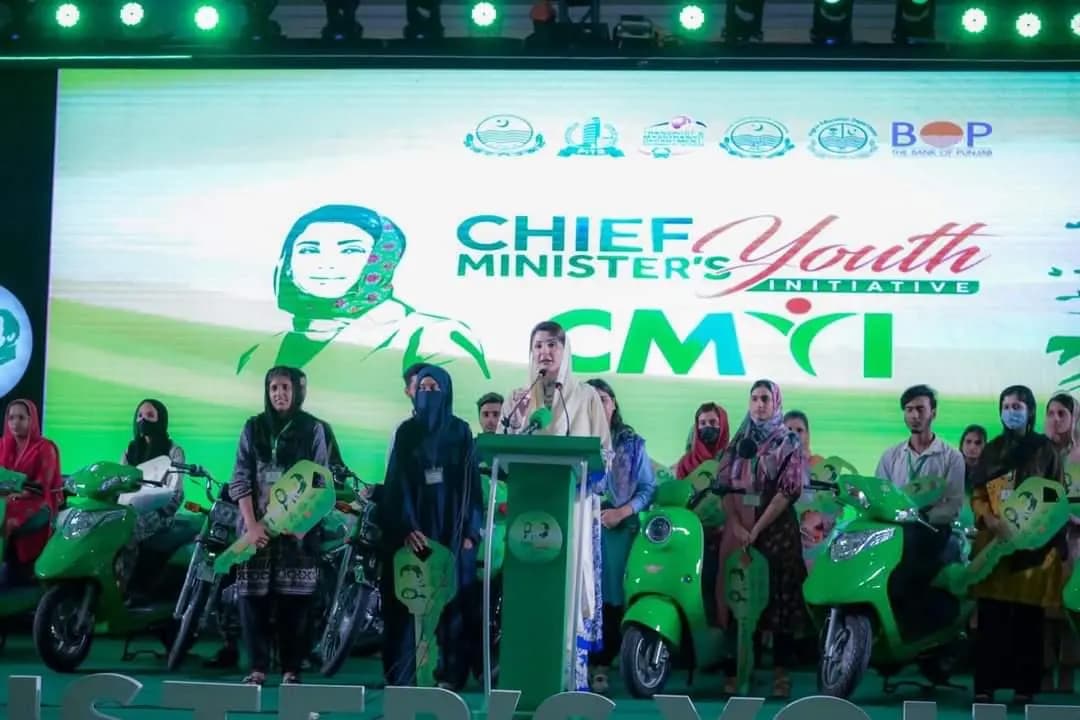
The honest caveats: range means daily charging discipline on longer commutes, load-shedding areas need charging timing around outages, and battery replacement is an eventual cost to plan for after several years. In Phase 1, electric bikes were concentrated in the five largest cities and 7,479 of 8,179 units were reserved for female students — a deliberate push to give women safe, low-cost independent mobility.